You Won’t Own Your Visual Content. You’ll Subscribe to Performance.
For decades, companies have invested enormous resources in visual content. The process was familiar: agencies, art directors, photographers, stylists, post-production teams, project managers. Skilled professionals, each excellent at their craft.
The ambition was clear: create something beautiful. Atmospheric. On-brand.
But there was always one fundamental uncertainty:
Would it actually perform?
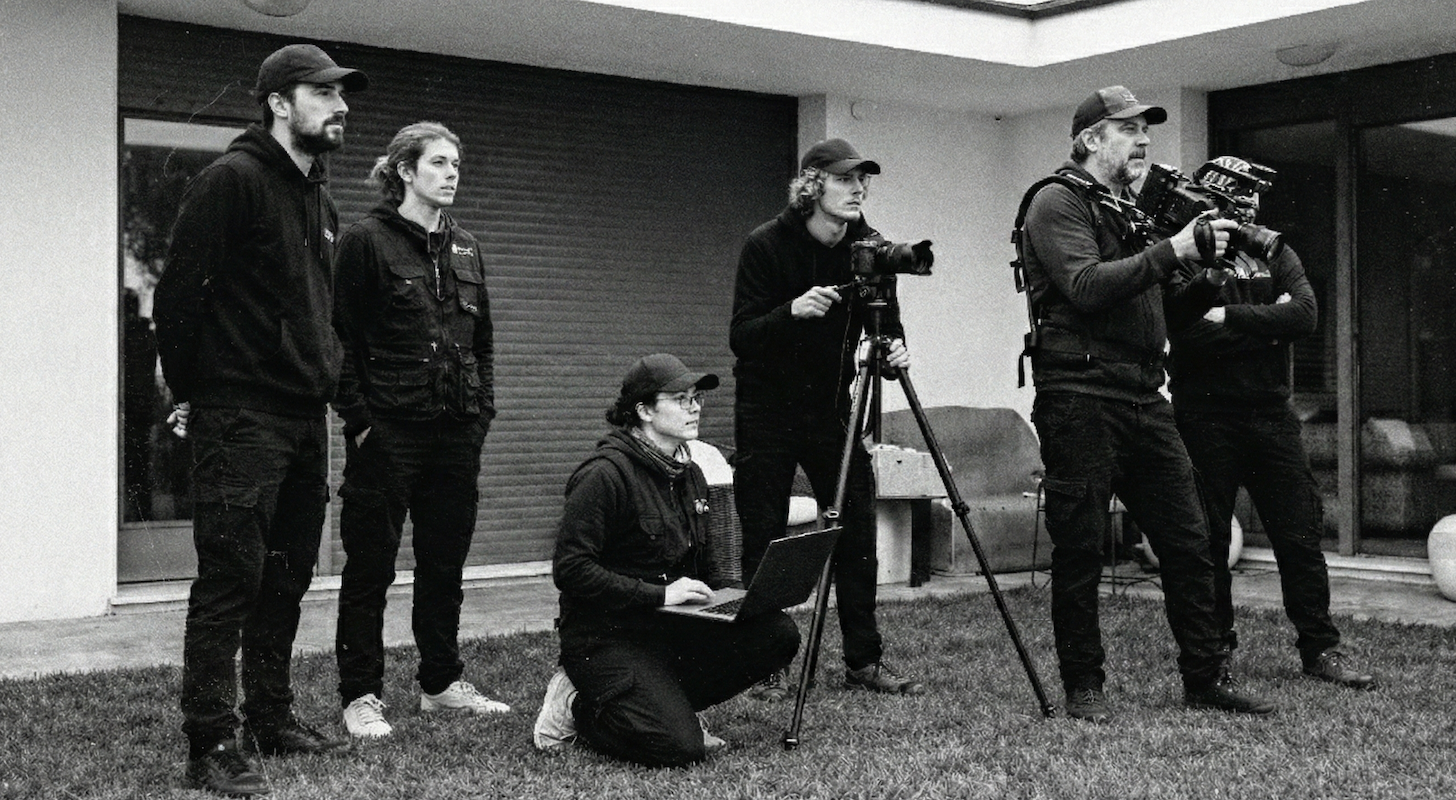
When you stood on a perfectly art-directed shoot in Tuscany, surrounded by a large crew and ideal light conditions, the goal was to get the shot. The hero image. The brand moment.
No one knew, in that moment, whether it would:
Increase conversion
Strengthen brand recall
Improve machine visibility
Still feel relevant 8–12 weeks later
Performance was something you measured afterwards.
You produced.
You launched.
You hoped.
That logic worked in a slower media landscape. It doesn’t in 2026.
From Ownership to Performance
We are moving into a reality where visual content is no longer something you simply own. It becomes something you subscribe to — measured, optimised, and replaced based on performance.
An image is no longer a static asset placed on a website for a year. It becomes a temporary performer inside a system that constantly evaluates relevance.
When performance drops, it is replaced.
Not at the next quarterly review.
Not when the campaign calendar allows it.
But when the data shows decline.
In the GEO era — where both humans and AI systems interpret your brand — the lifespan of visuals is shrinking. Context shifts faster. Audiences fatigue faster. Algorithms evolve continuously.
What worked six weeks ago may simply be less relevant today.
Not because it was wrong.
But because the environment moved.
The traditional hero shot was designed as a long-term investment. Increasingly, it behaves like a short-term performance unit.
And that changes everything.
From Campaign Thinking to Infrastructure Thinking
This shift is not about producing more content. It is about thinking differently about the role content plays.
Visual production is moving:
From campaigns
To continuous systems
From one-off launches
To ongoing optimisation
Visual content becomes infrastructure.
Infrastructure is maintained. Monitored. Improved. Replaced when necessary.
For CMOs, this means fewer structural risks:
No more oversized one-shot production budgets
No more weather-dependent shoots collapsing under rain
No more visuals running on autopilot long after they stopped performing
Instead, you get:
Continuous testing
Seasonal and contextual adaptation
Real-time performance monitoring
Visuals aligned with both human perception and machine interpretation
This does not eliminate creativity.
It elevates it.
Because creativity is no longer judged solely on aesthetics. It is connected directly to measurable effect.
Beauty alone is not enough. Effect is.
The right image, in the right context, at the right moment — with documented performance — becomes more valuable than a masterpiece that quietly underperforms.
The Uncomfortable Reality
For years, marketing organisations have measured output in assets produced. Campaigns delivered. Content libraries built.
But in a high-speed, AI-mediated environment, ownership becomes less meaningful than adaptability.
You may technically own thousands of images.
But if only a small fraction are performing right now, what do you actually own?
Within the next 6–18 months, this shift will not feel radical. It will feel inevitable.
The brands that adapt early will build systems designed for continuous relevance.
The rest will continue producing beautiful content — and hoping.
In the near future, you won’t own your visual content. You will subscribe to its performance.
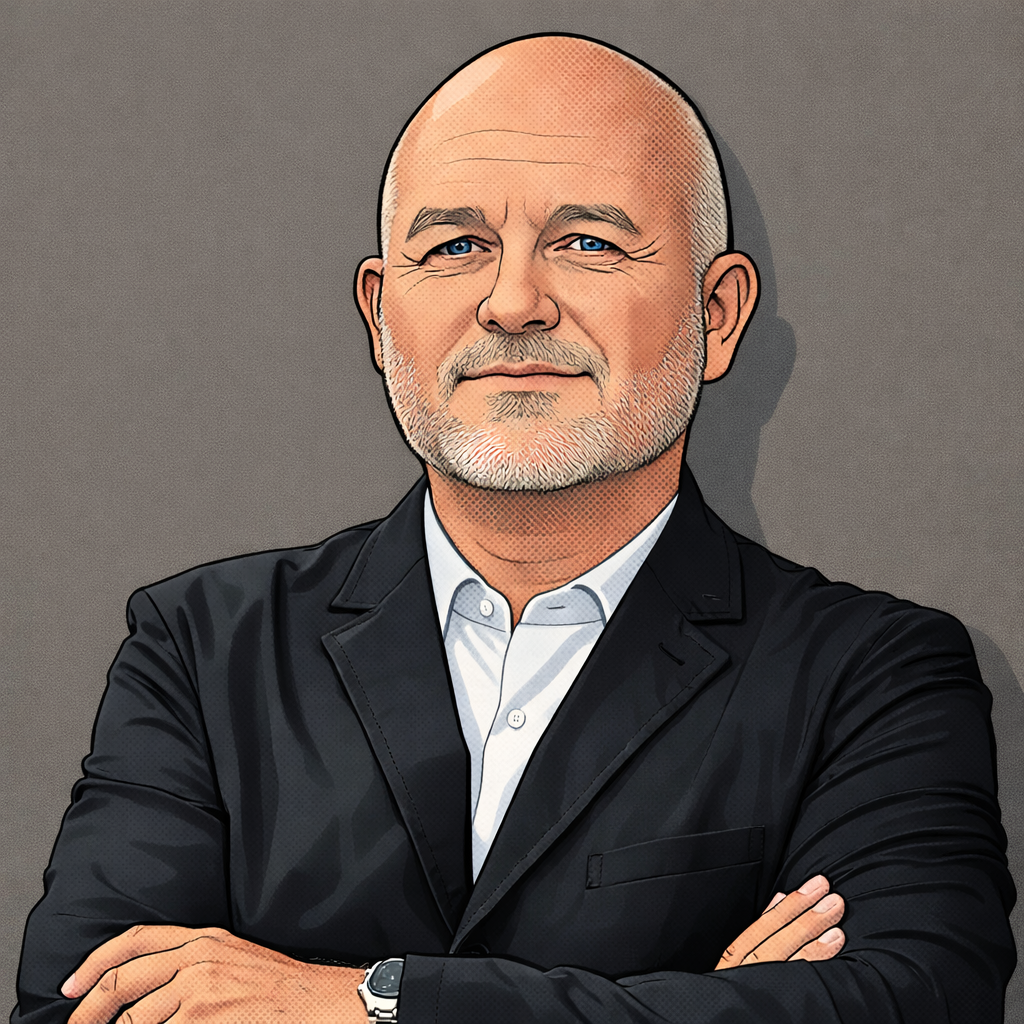
Michael Rying founded Scenes, Denmark’s first AI content agency, in the summer of 2023 and has since been at the forefront of adopting AI in the brand and marketing industry.