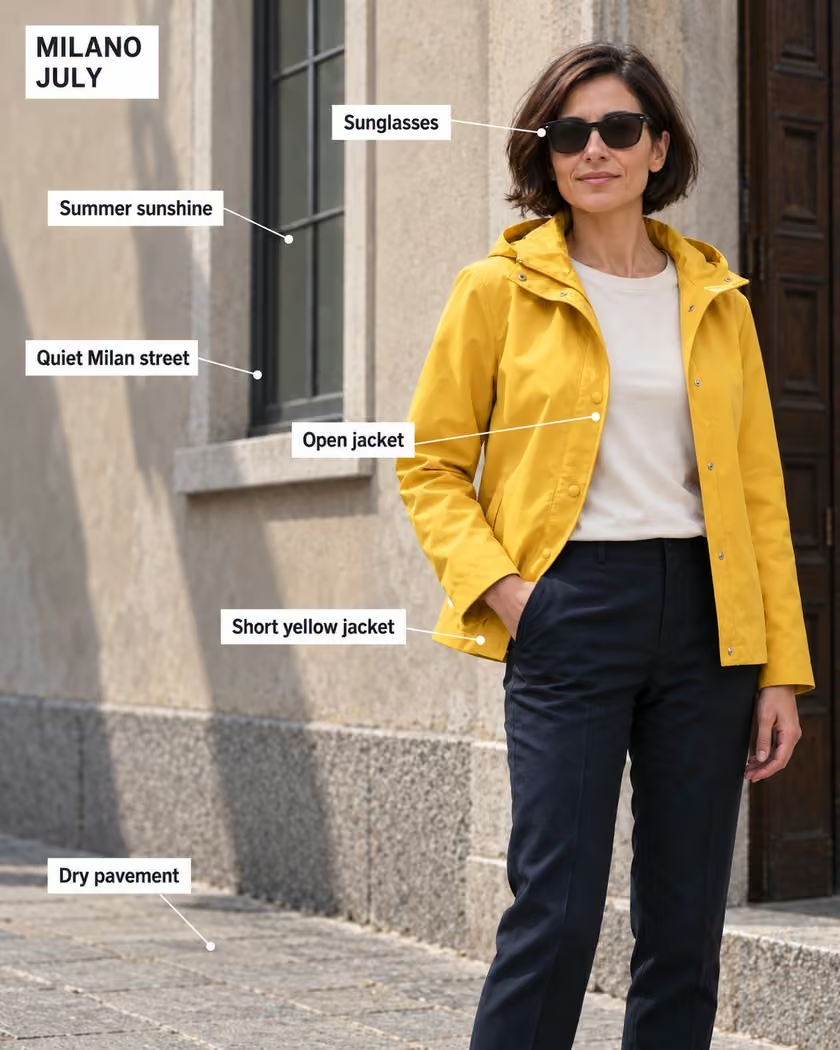
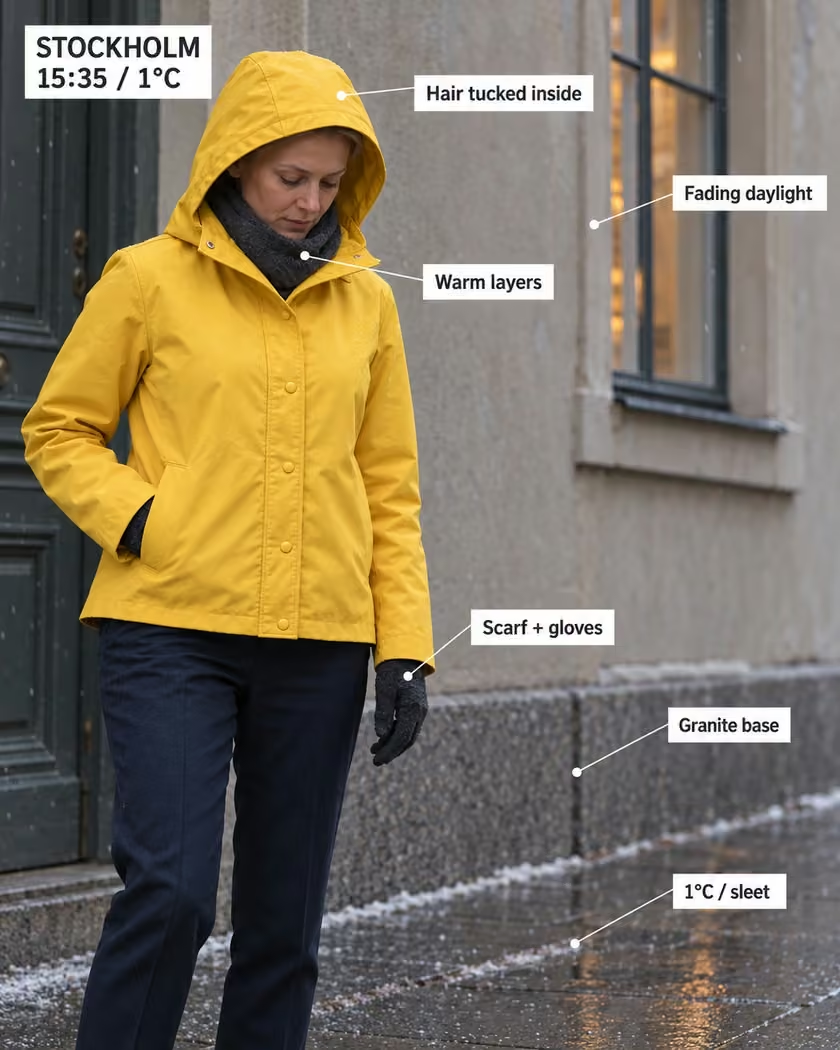
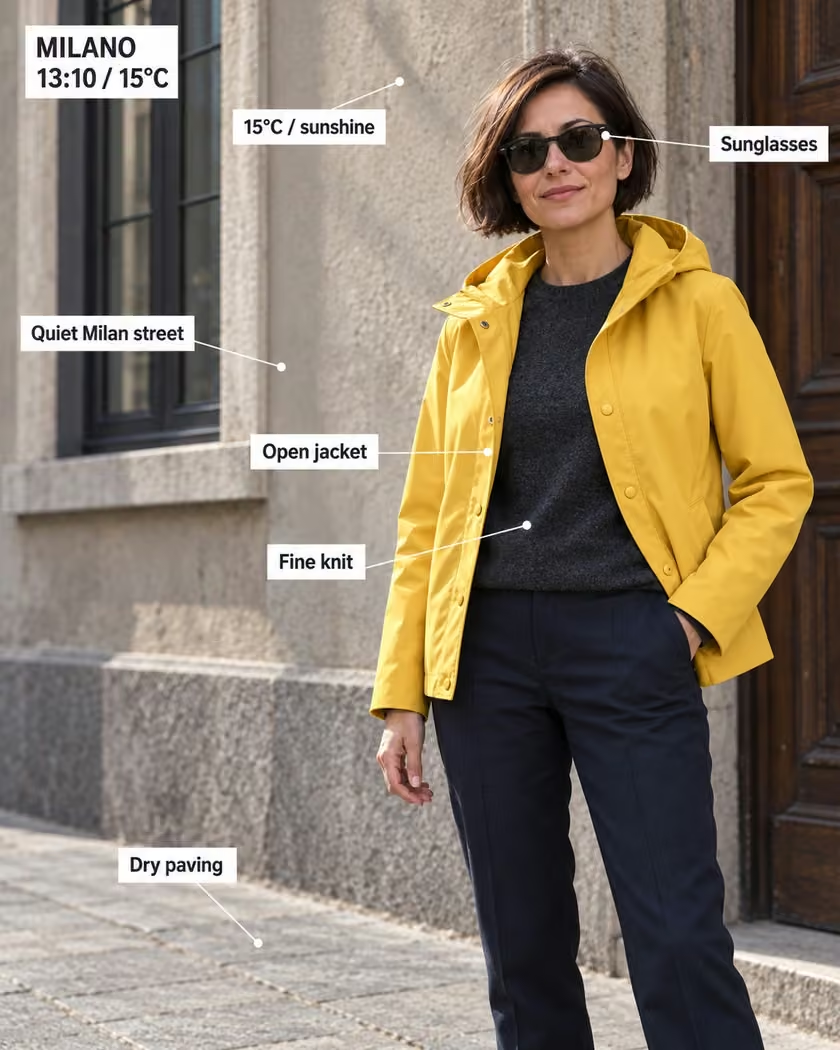
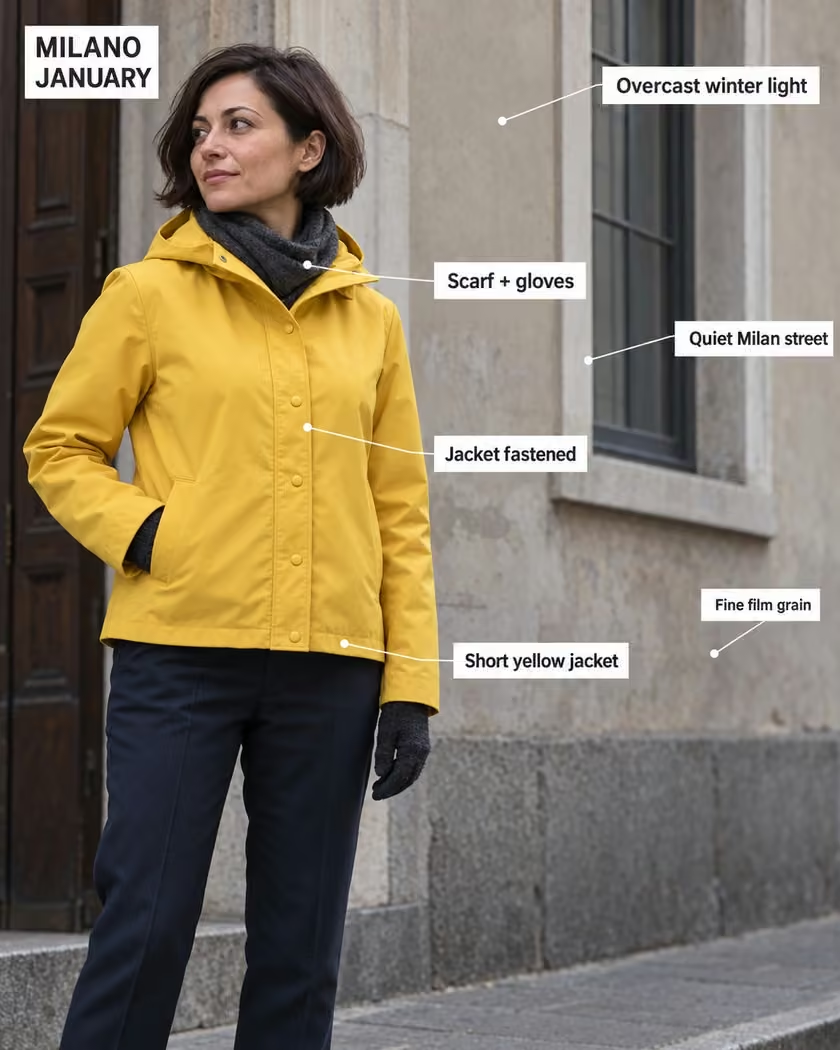
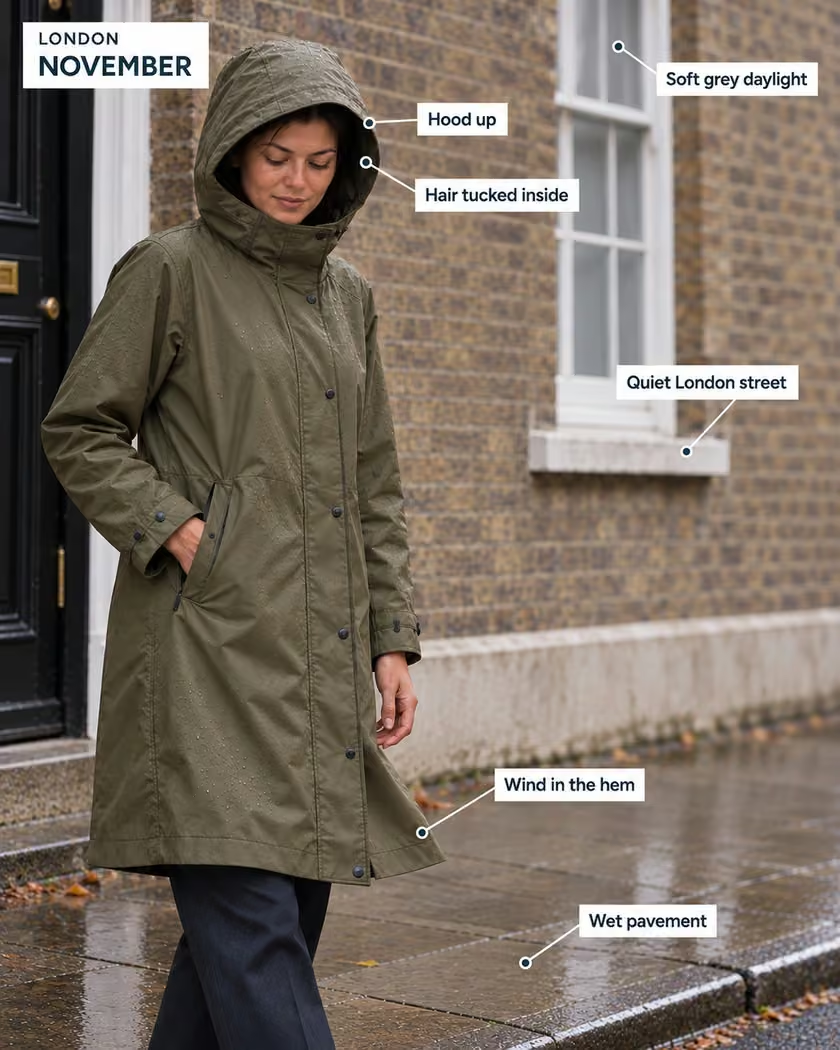
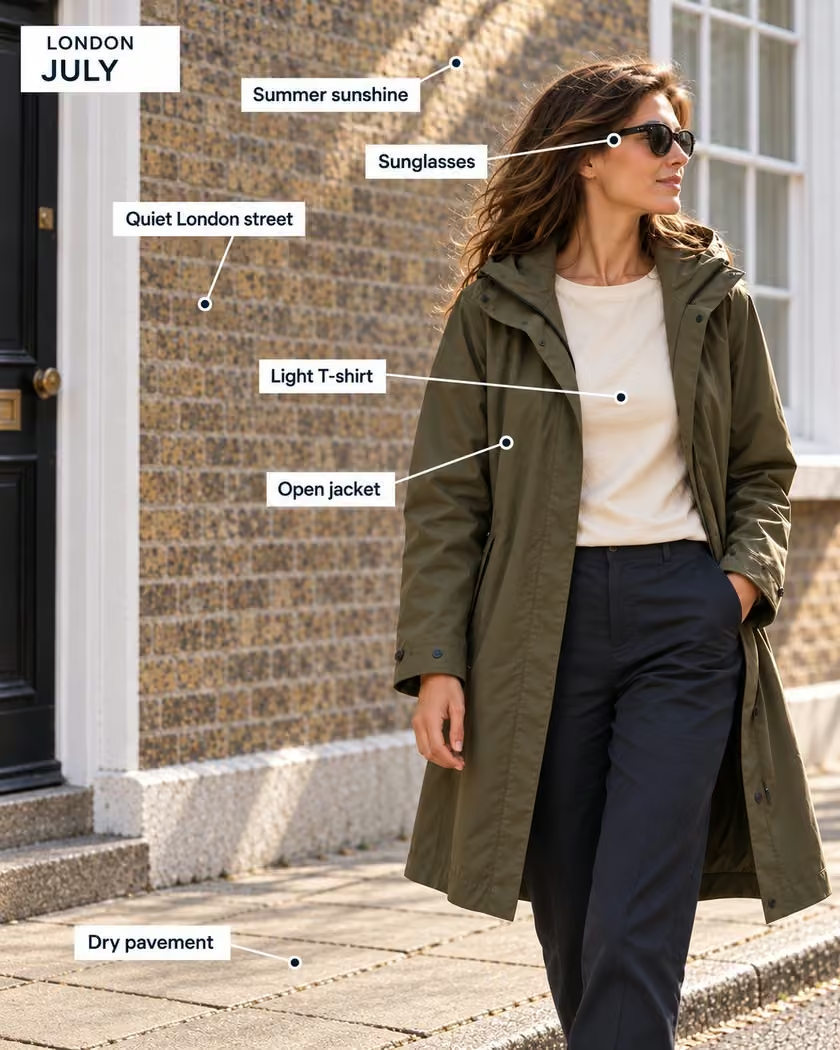
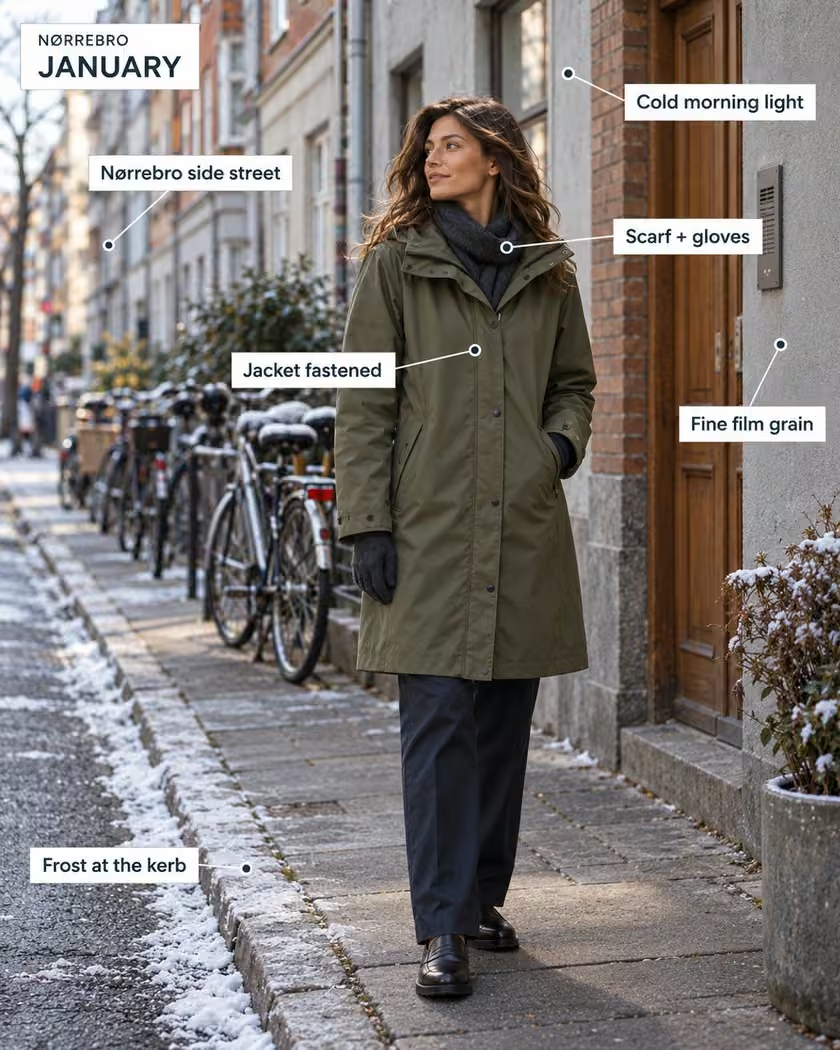
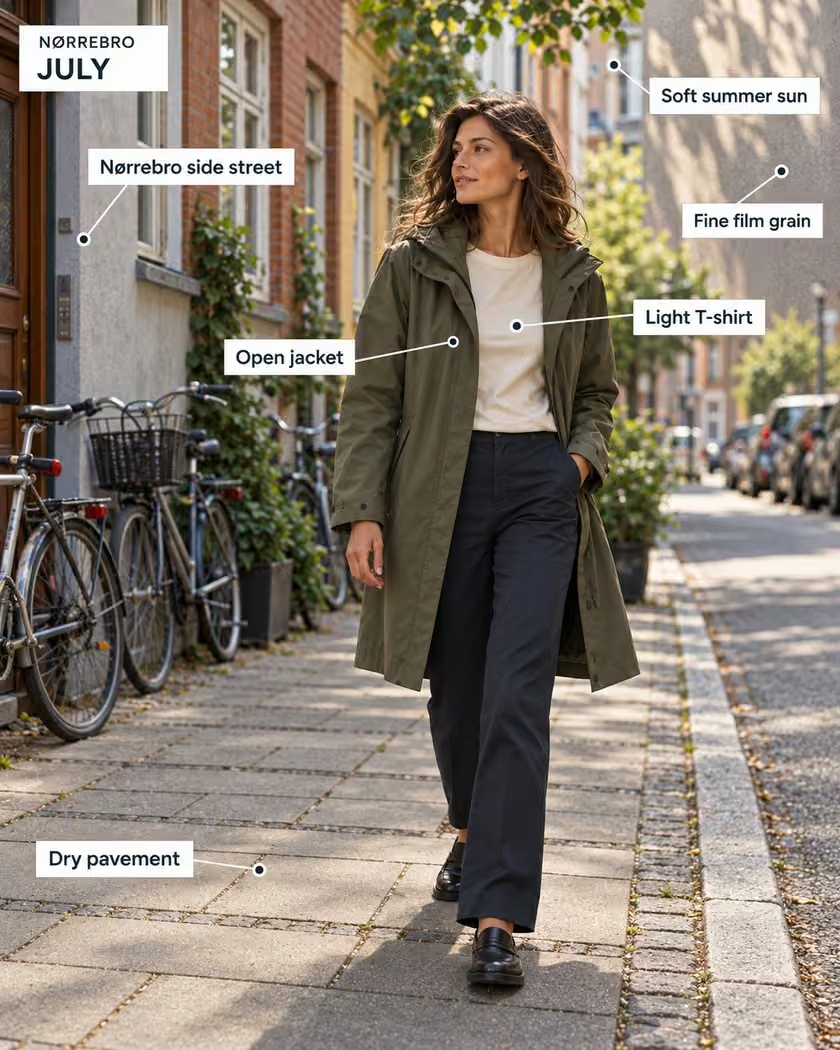
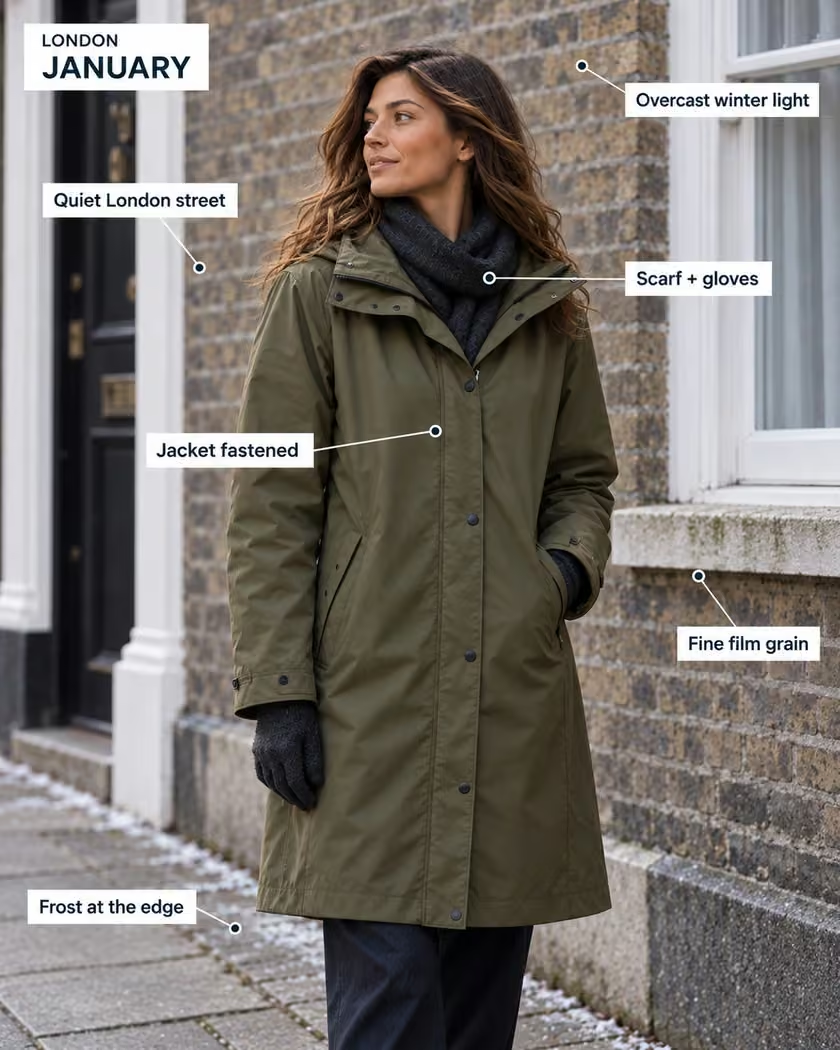
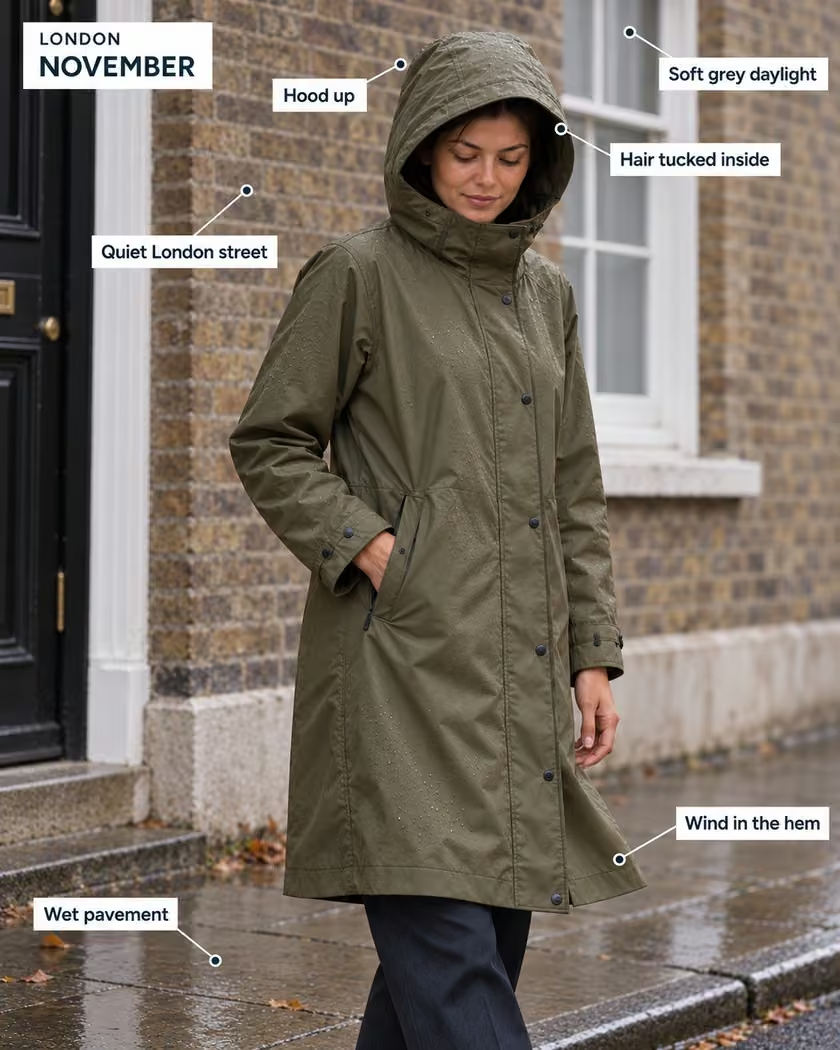
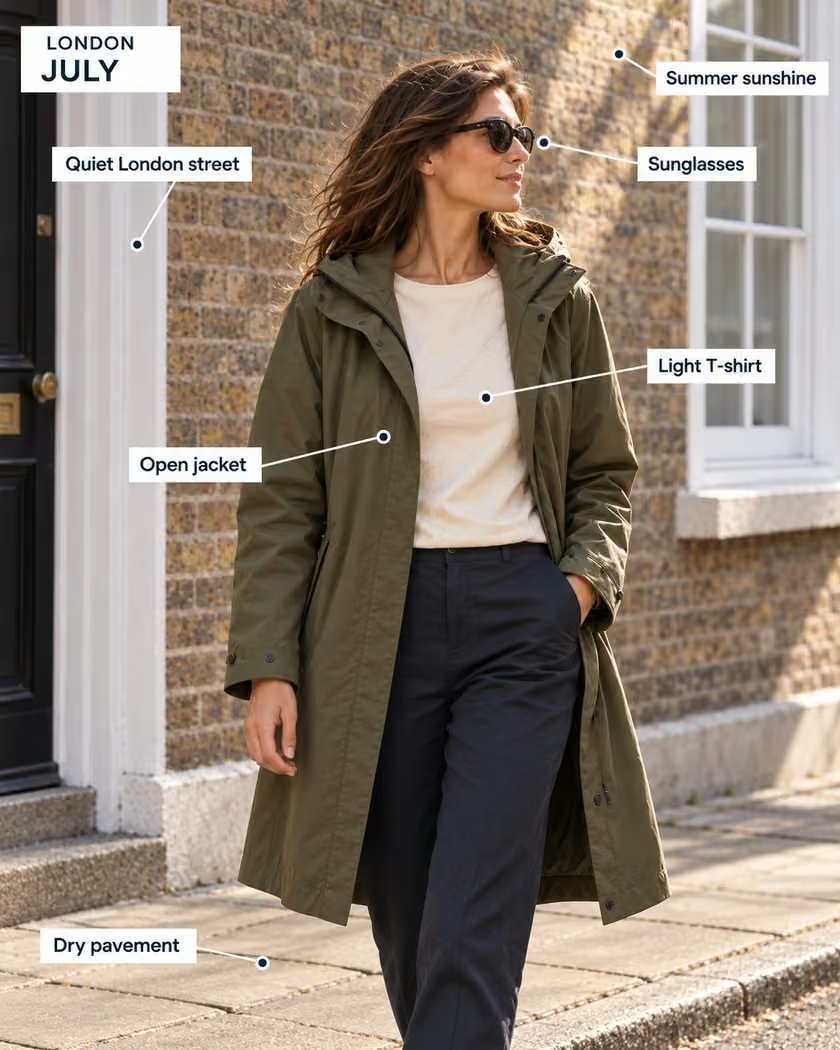
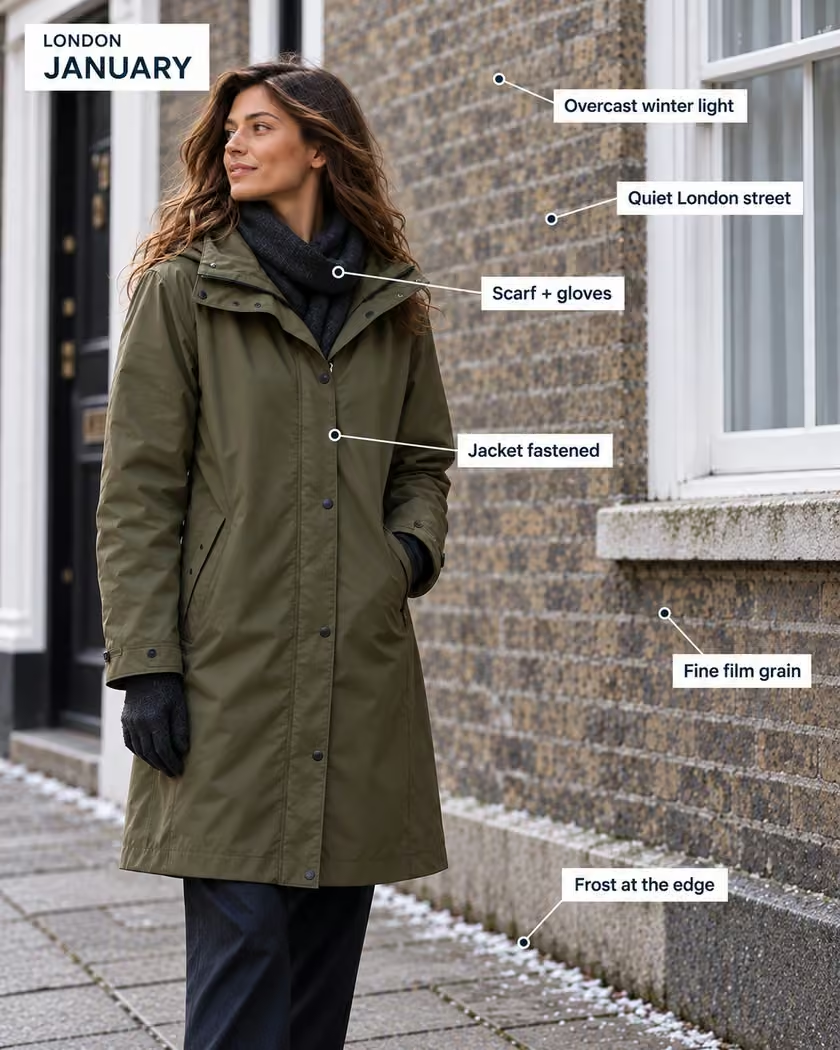
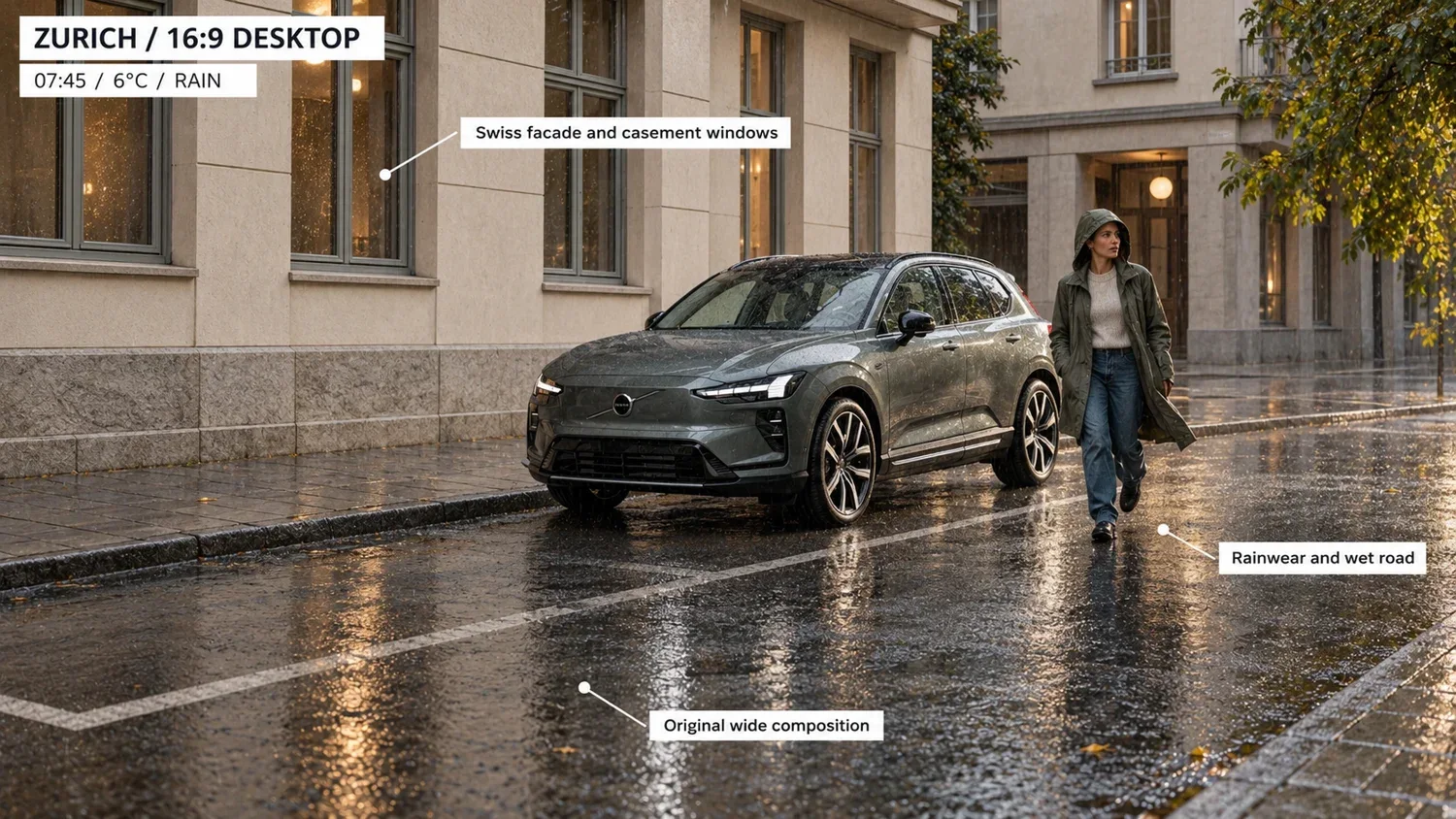
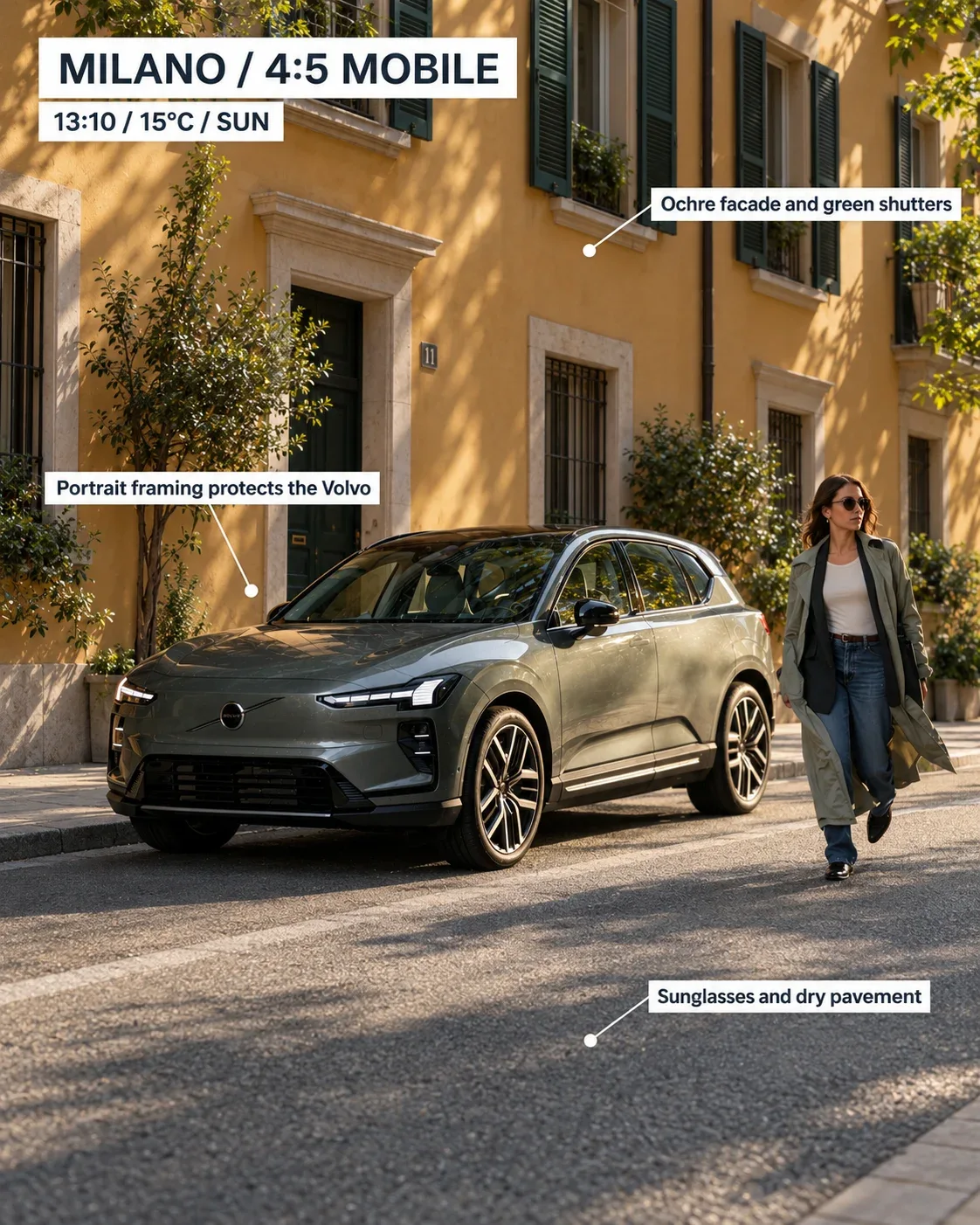
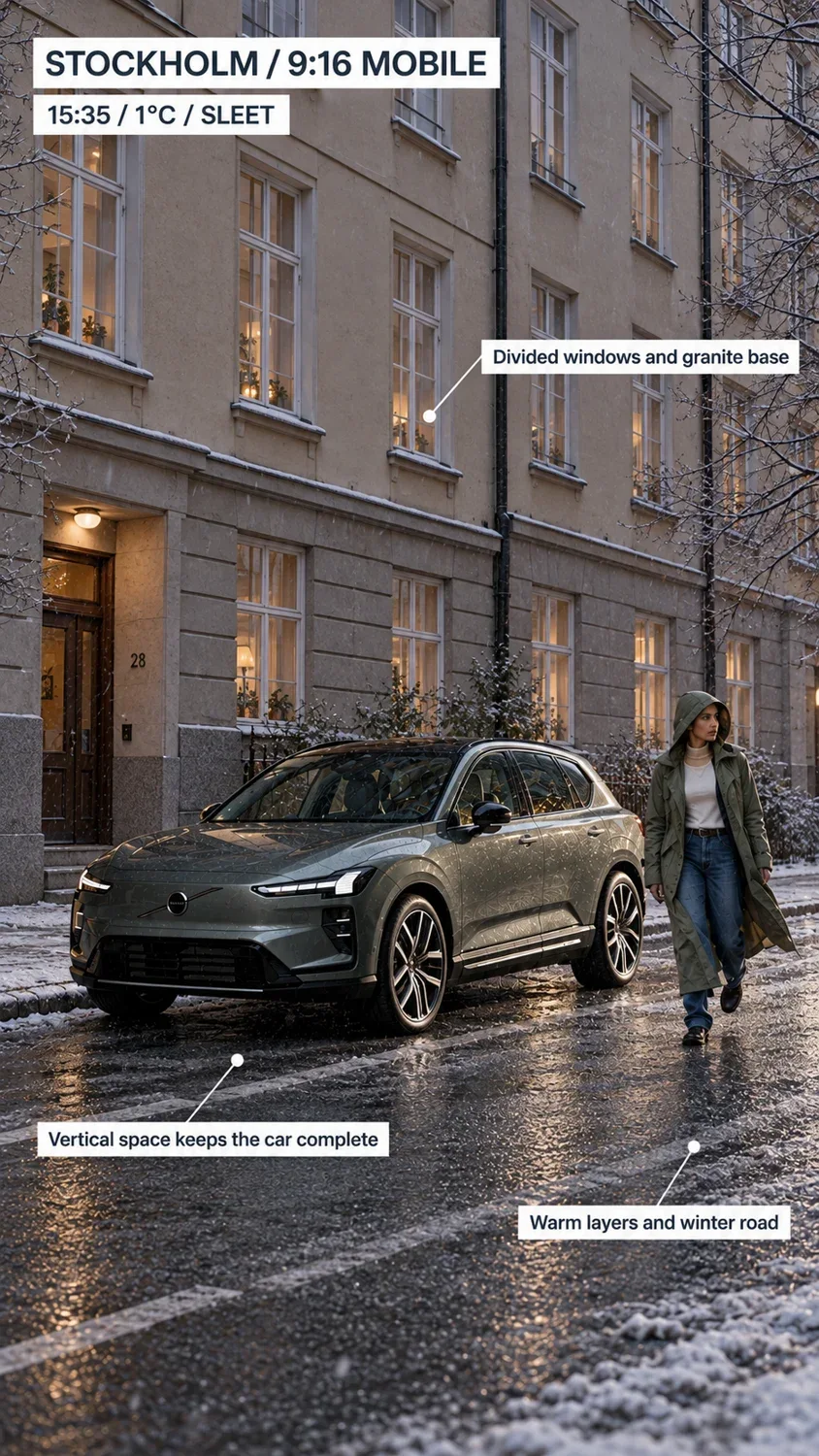
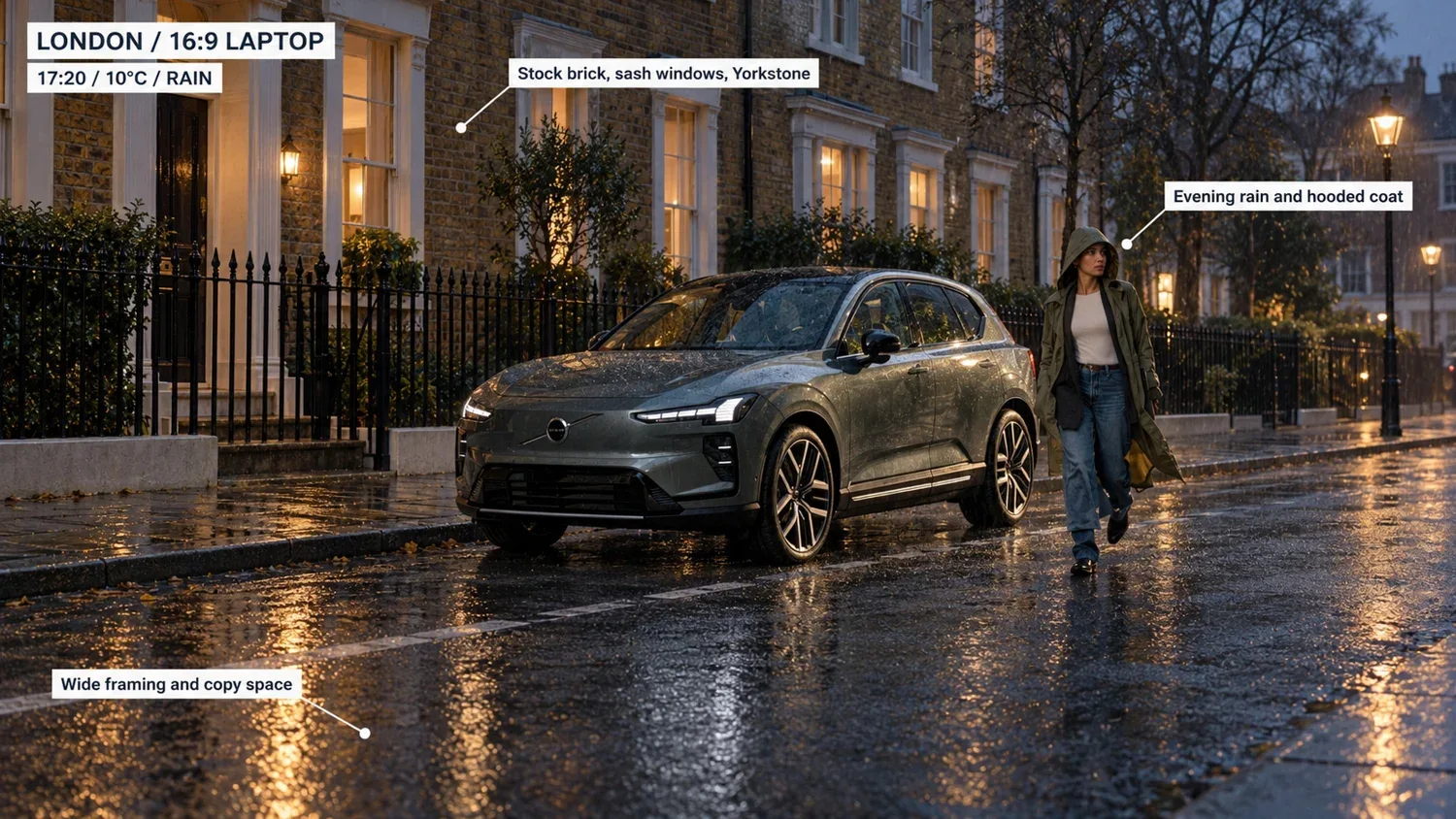
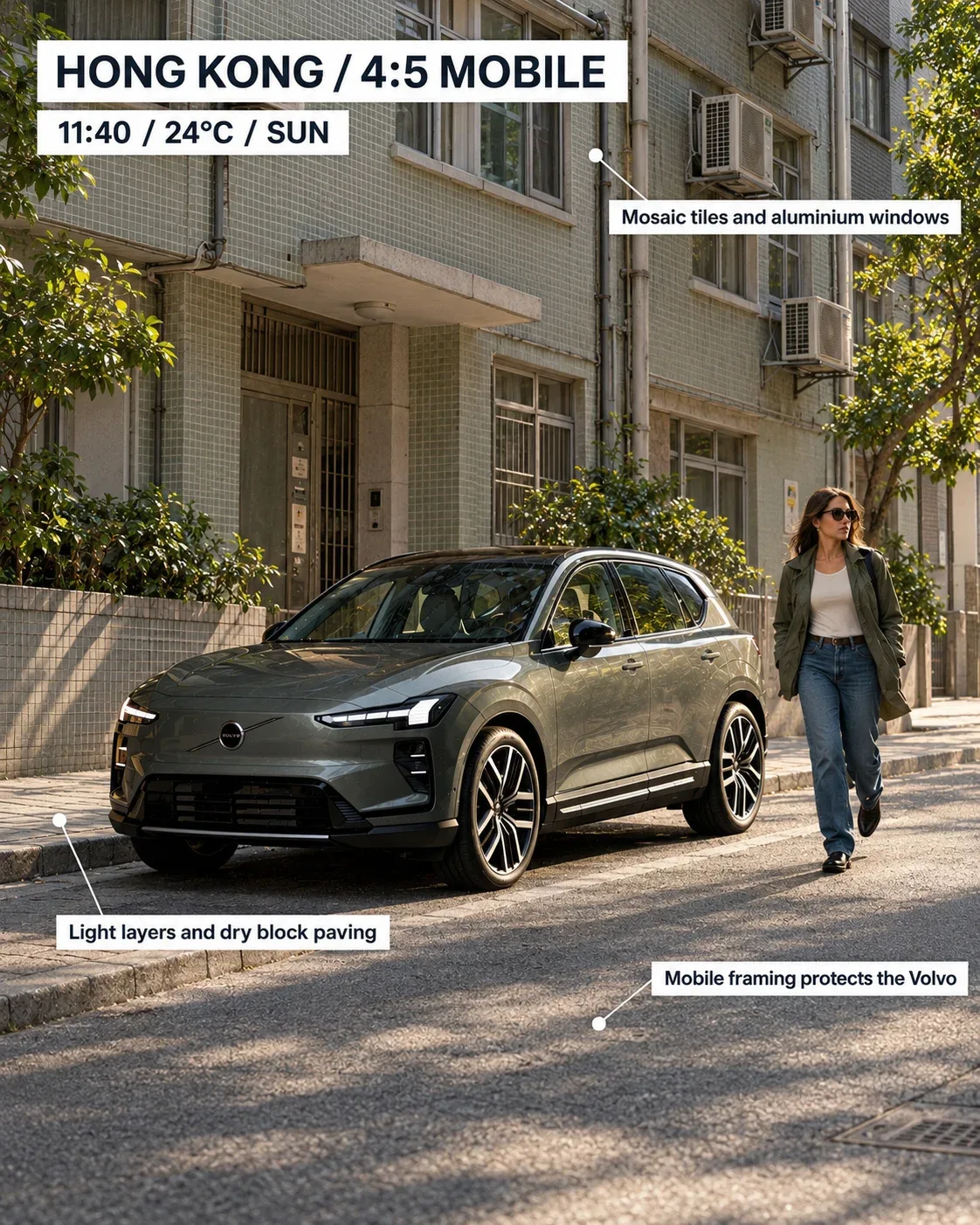
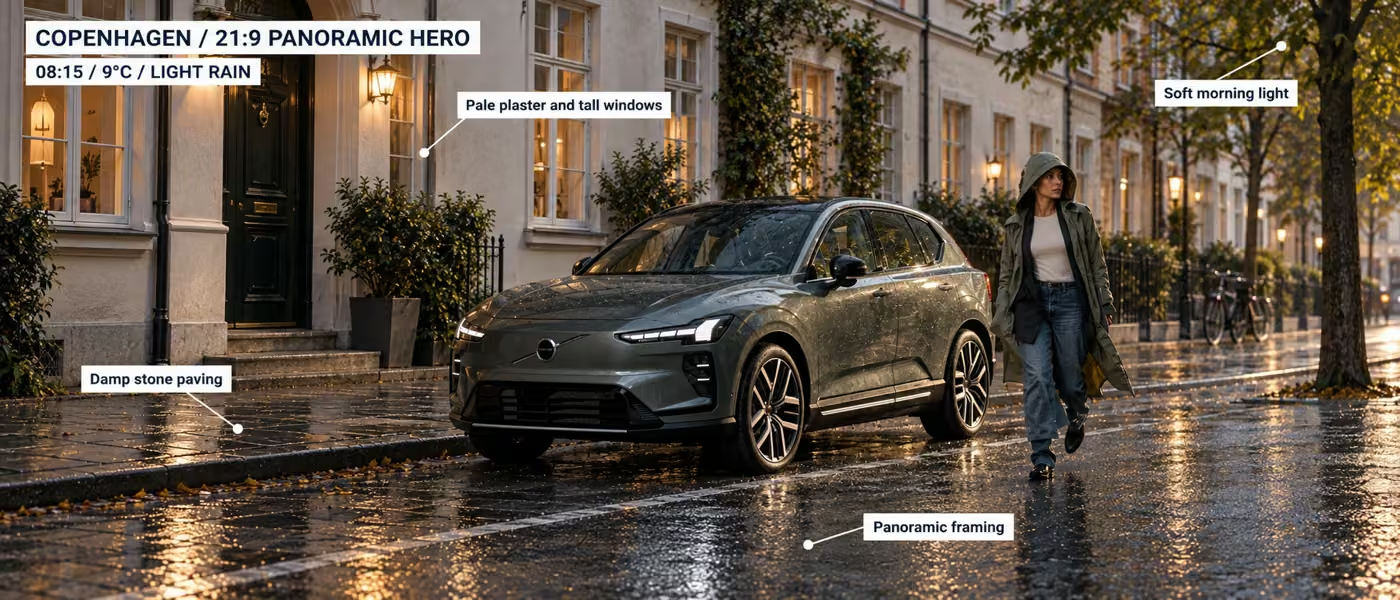
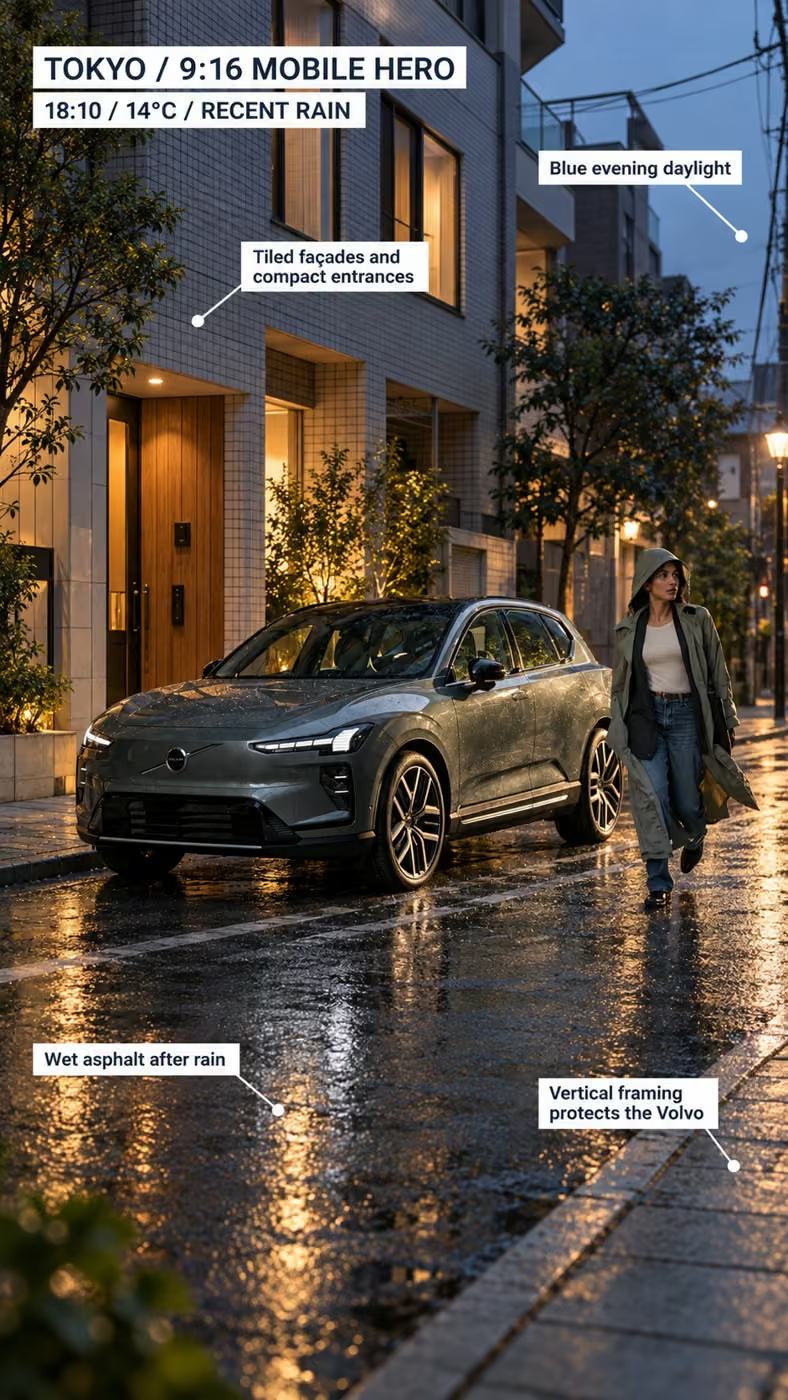
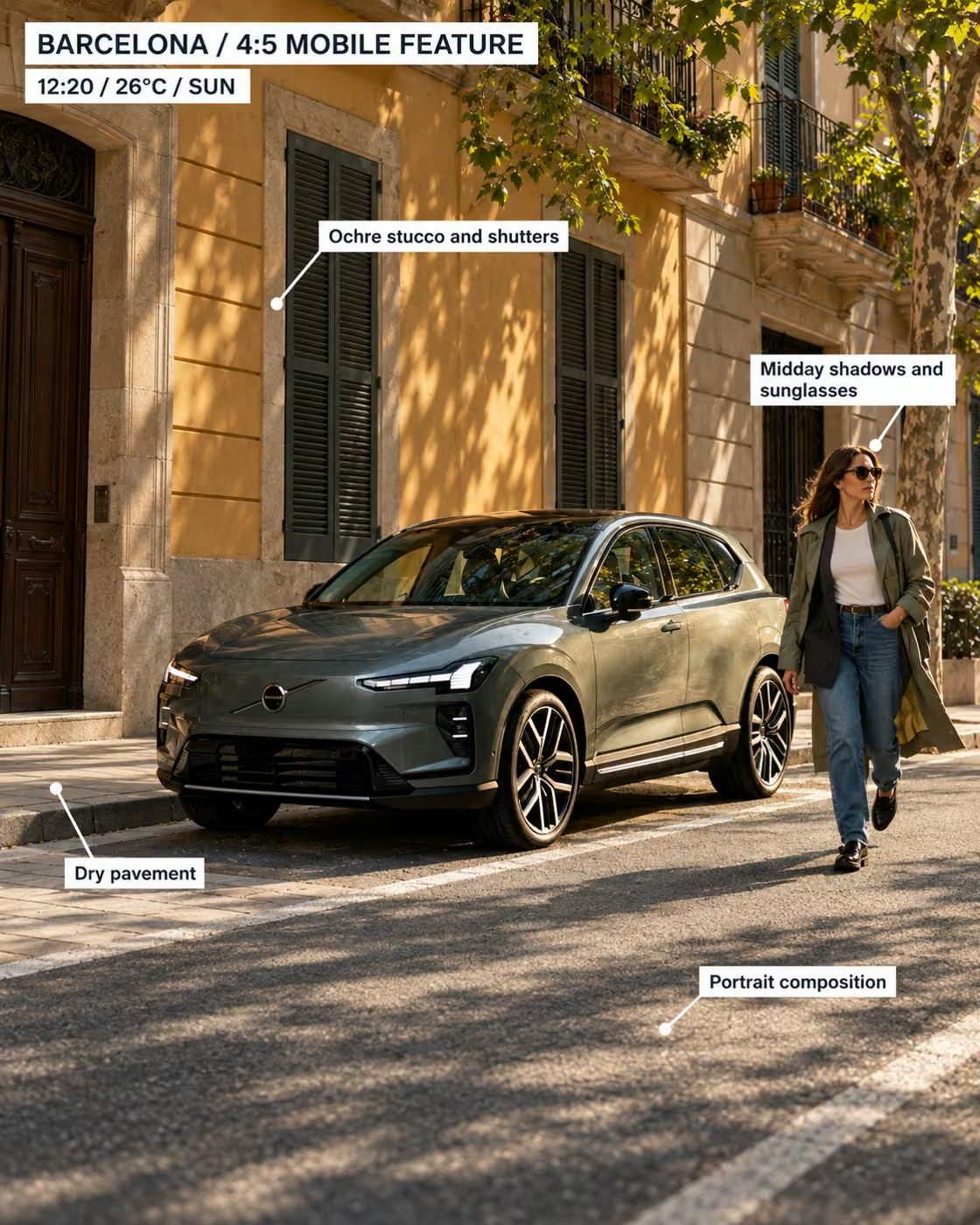
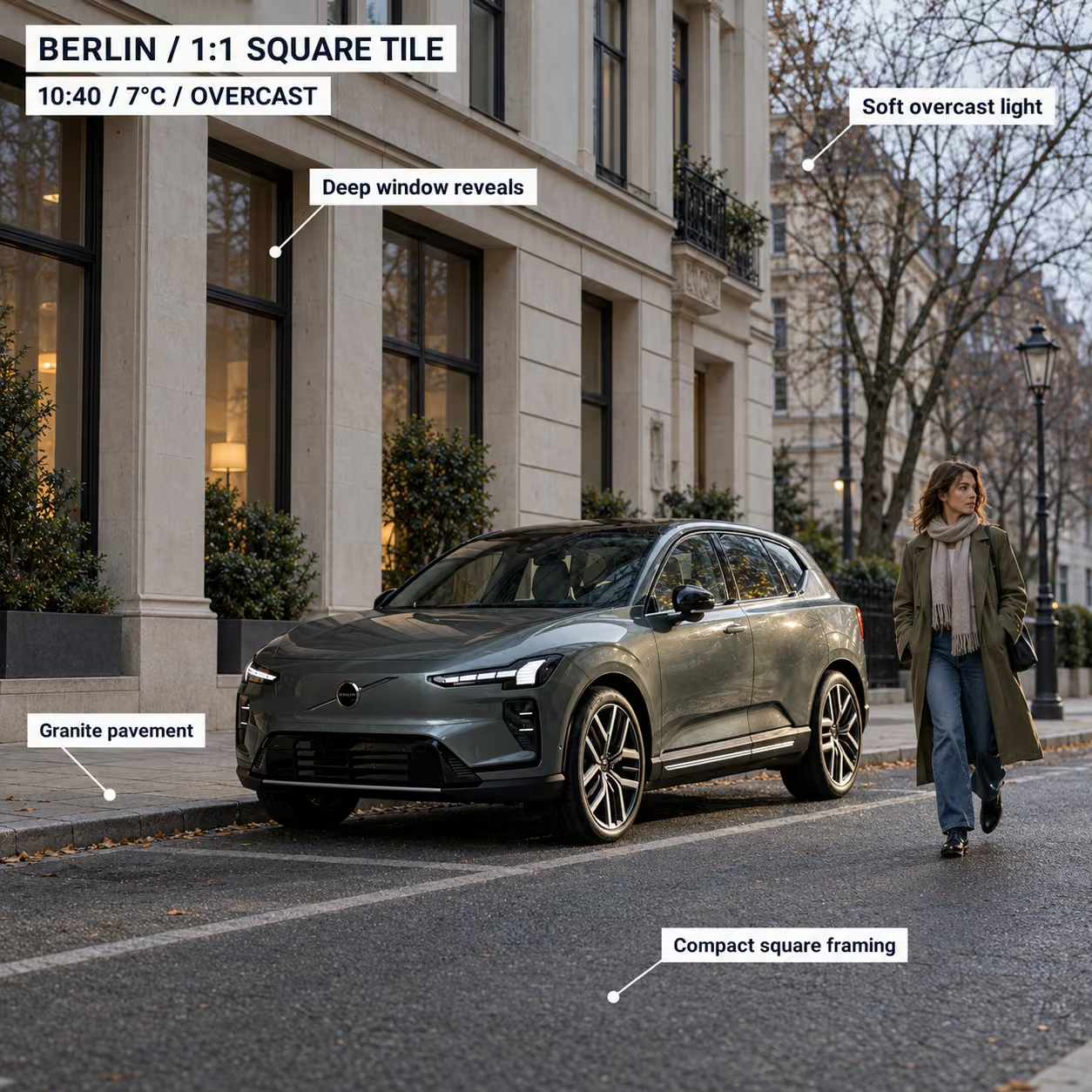
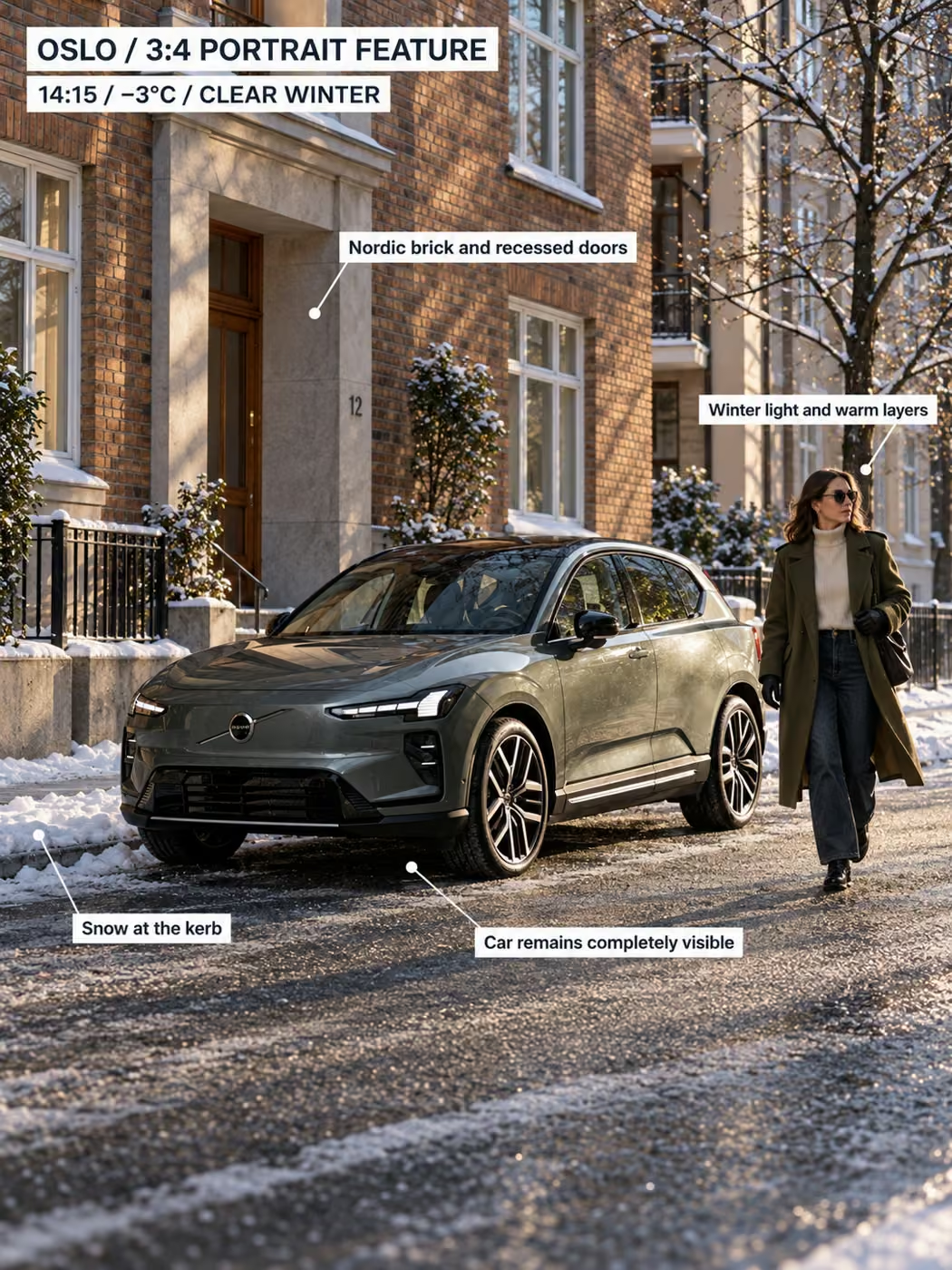
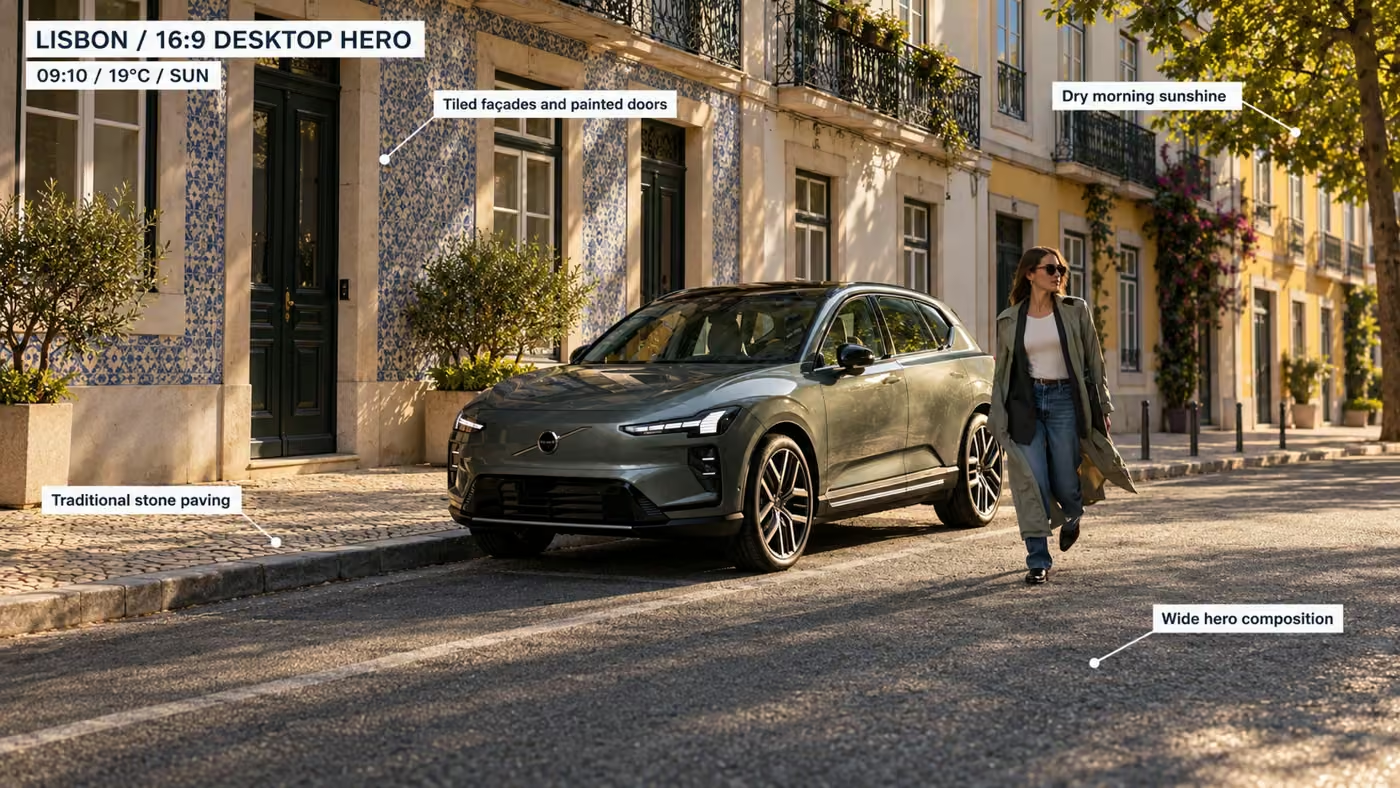
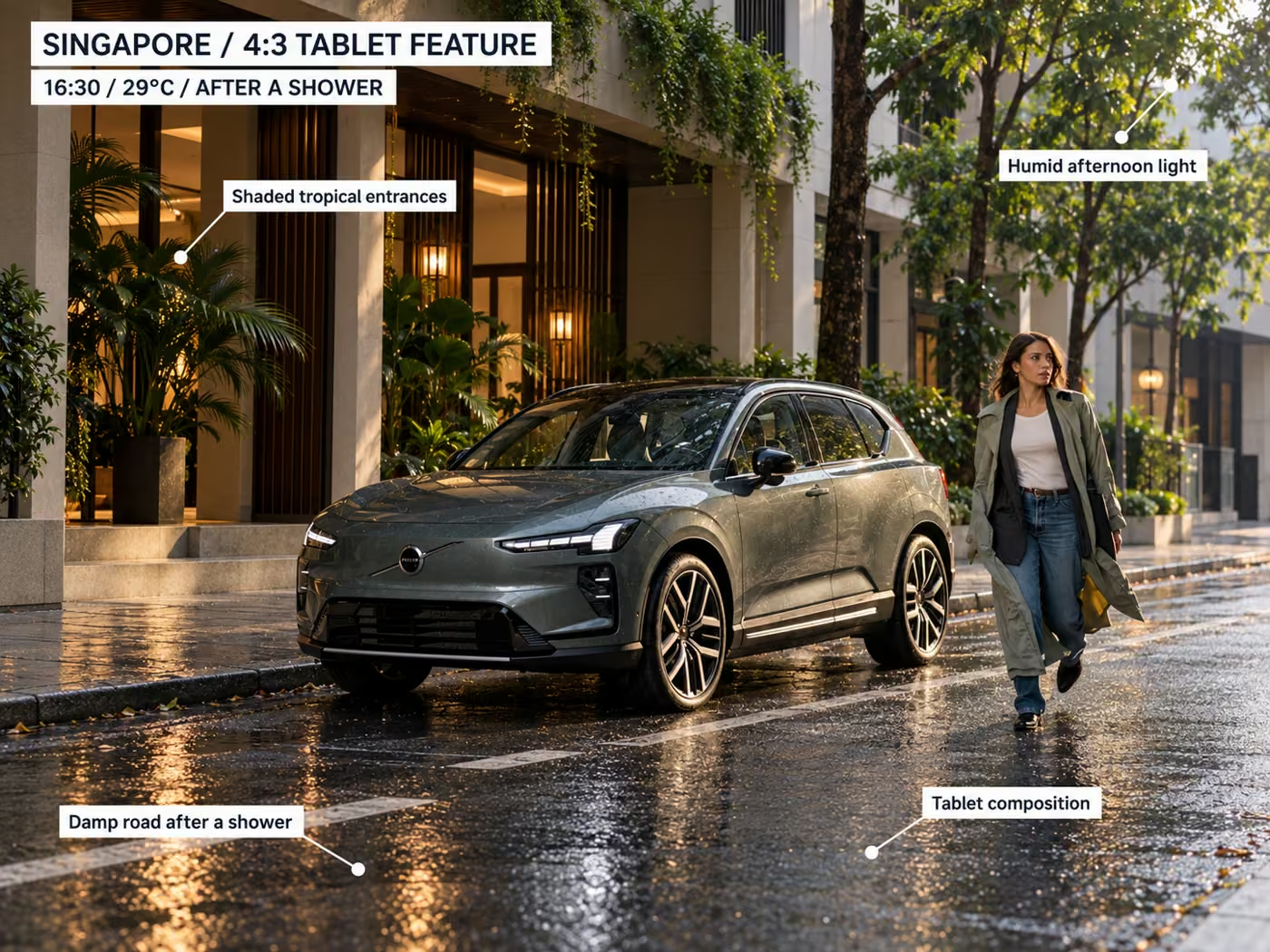
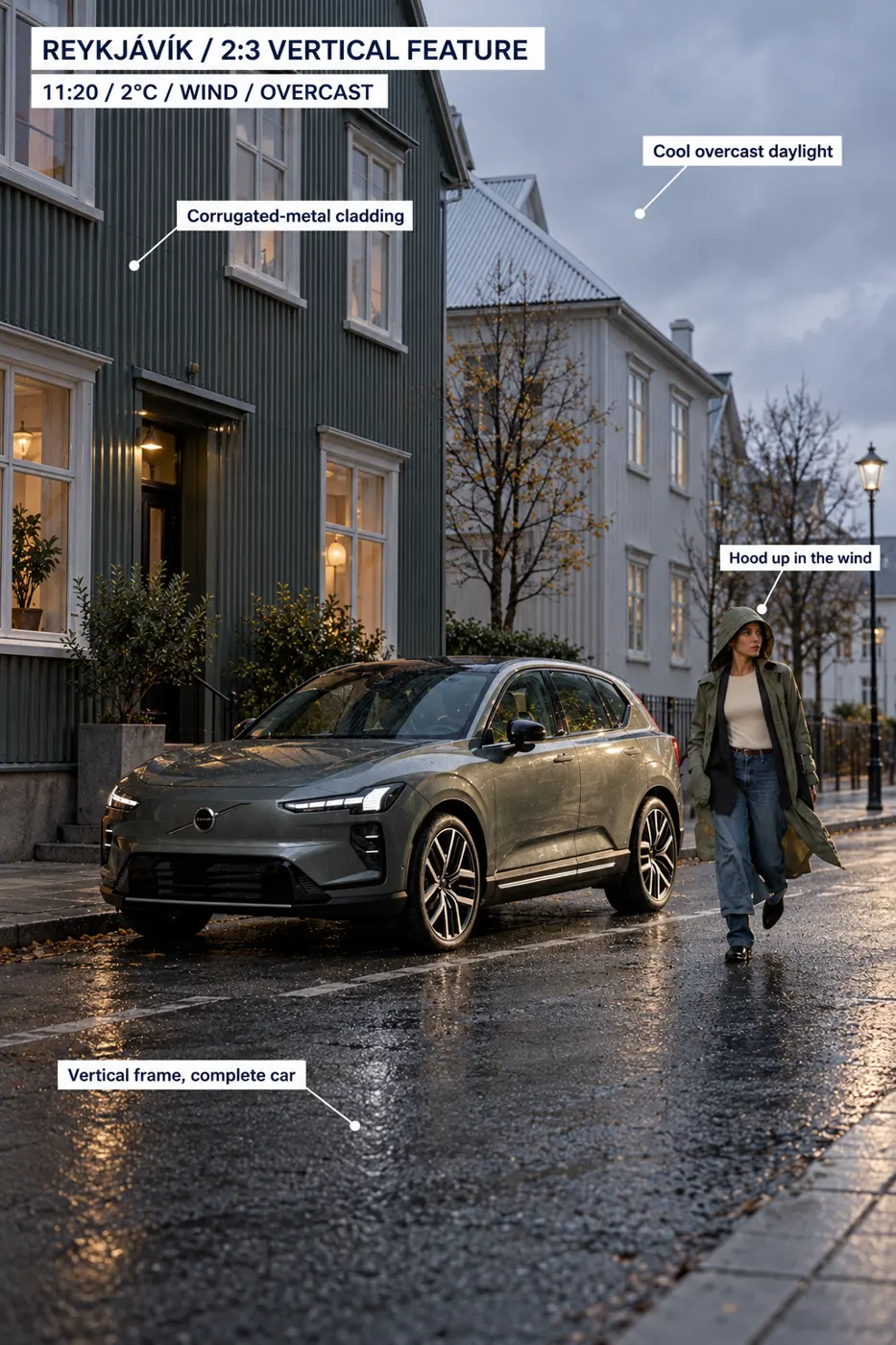
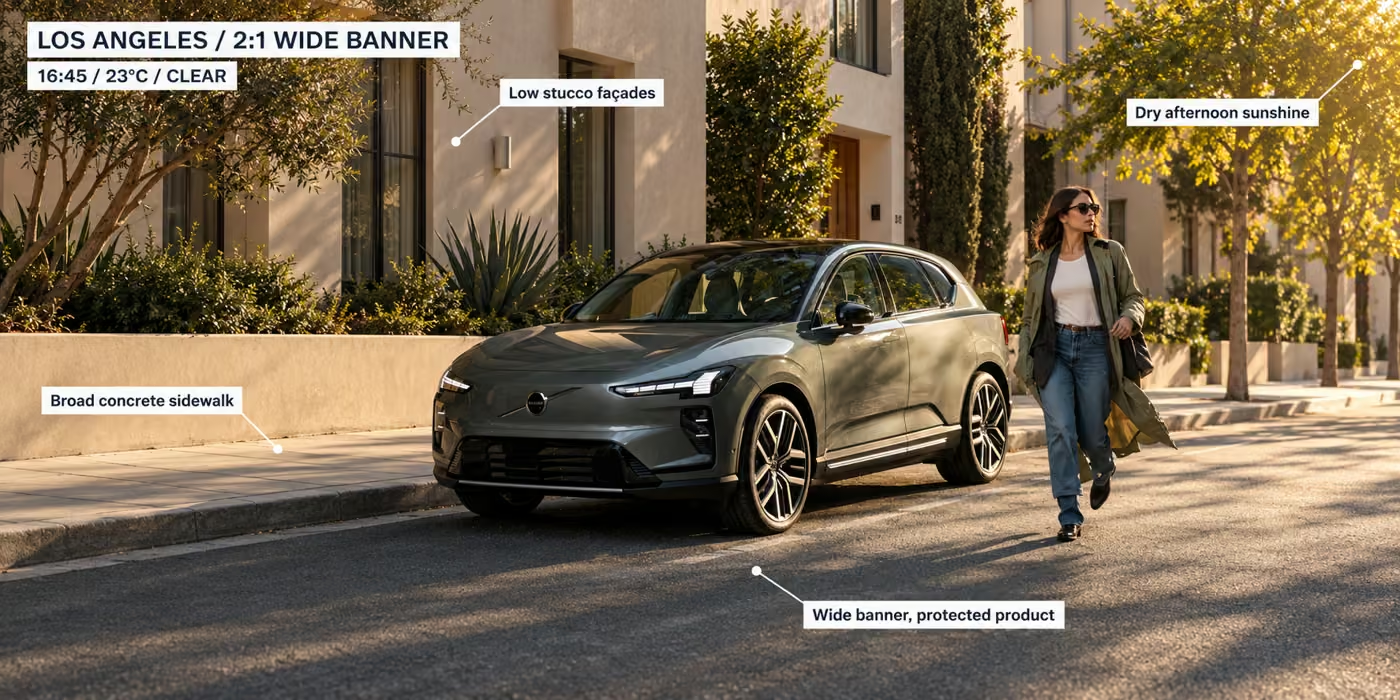
Choose a combination and generate your own Smart Image.
2026 was about making AI images look real. 2027 will be about making them relevant.
Smart Images by Scenes Lab brings that future into focus: brand imagery that adapts to the visitor’s context, the available products and the screen in front of them. Created just in time, within your approved visual identity.
For visitors, products feel closer to their lives. For brands, every image has a purpose, without producing endless variations in advance.
AI-modified
The visitor deserves a more relevant image.
A better visual experience starts with the person looking. A visitor arrives at a product page with a particular need, in a particular place, at a particular moment. The right image can help them recognise why a product matters, imagine it in their own life and make a more confident decision.
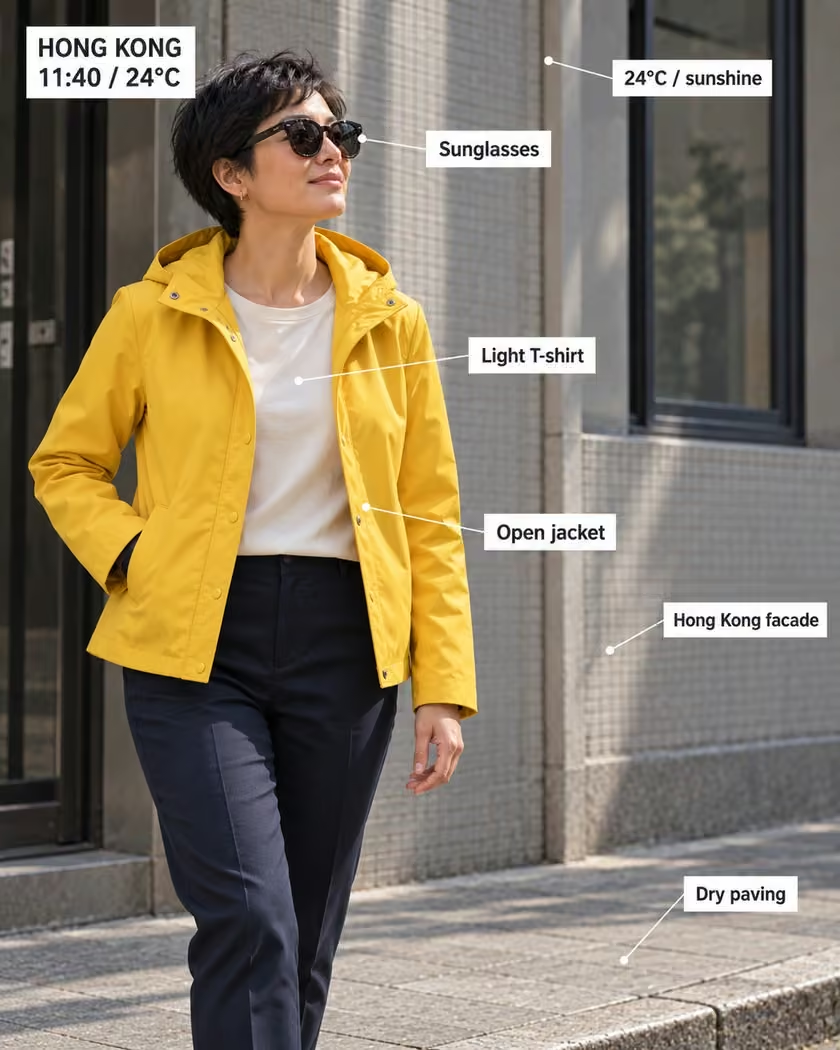
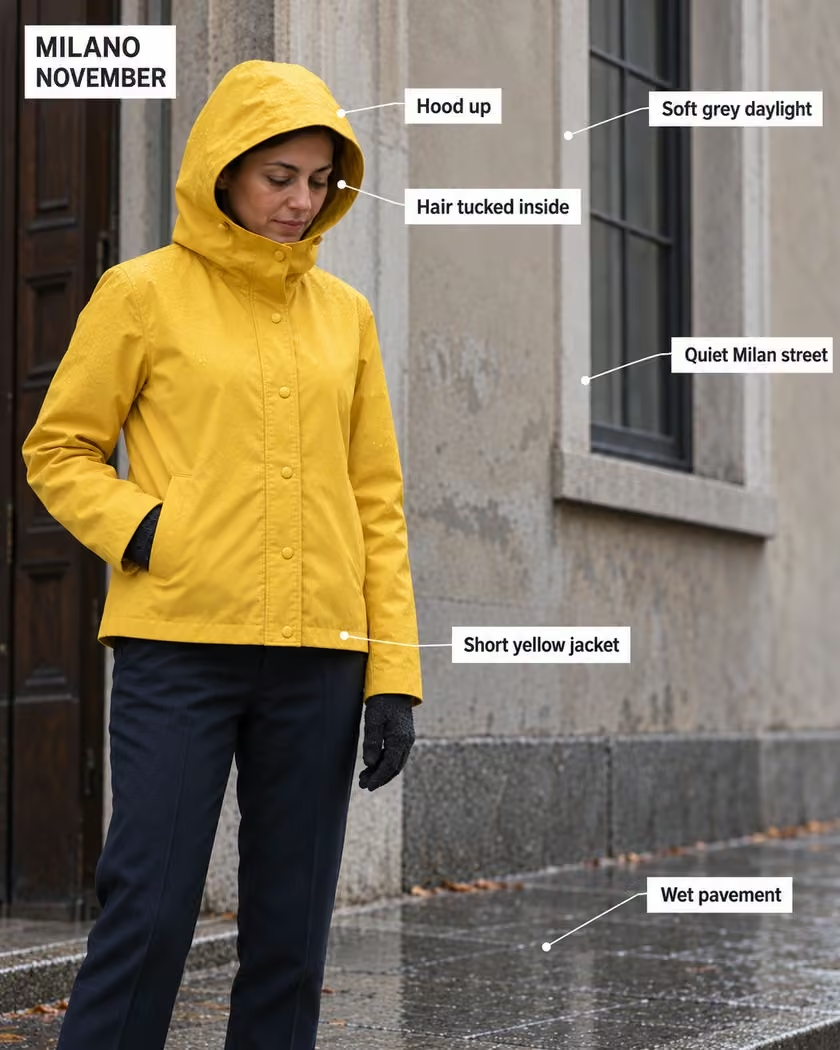
Yet people in very different circumstances will often see the same hero image. One is browsing in sunshine; another is standing in the rain. One is shopping on a phone; another is researching on a large screen. Their situation changes, but the visual story stays still.
Everything else has become responsive.
Websites adapt to devices. Commerce responds to inventory. Messages and recommendations can change with context. But the imagery at the centre of the experience is usually produced in advance, approved as a fixed asset and shown to large groups of people.
Brands invest in archives, resizing and local variations. Those images may be beautiful, but they cannot anticipate every meaningful moment. The next opportunity is to create exactly what is needed, when it is needed, in the format needed.
The right image, at the right moment.
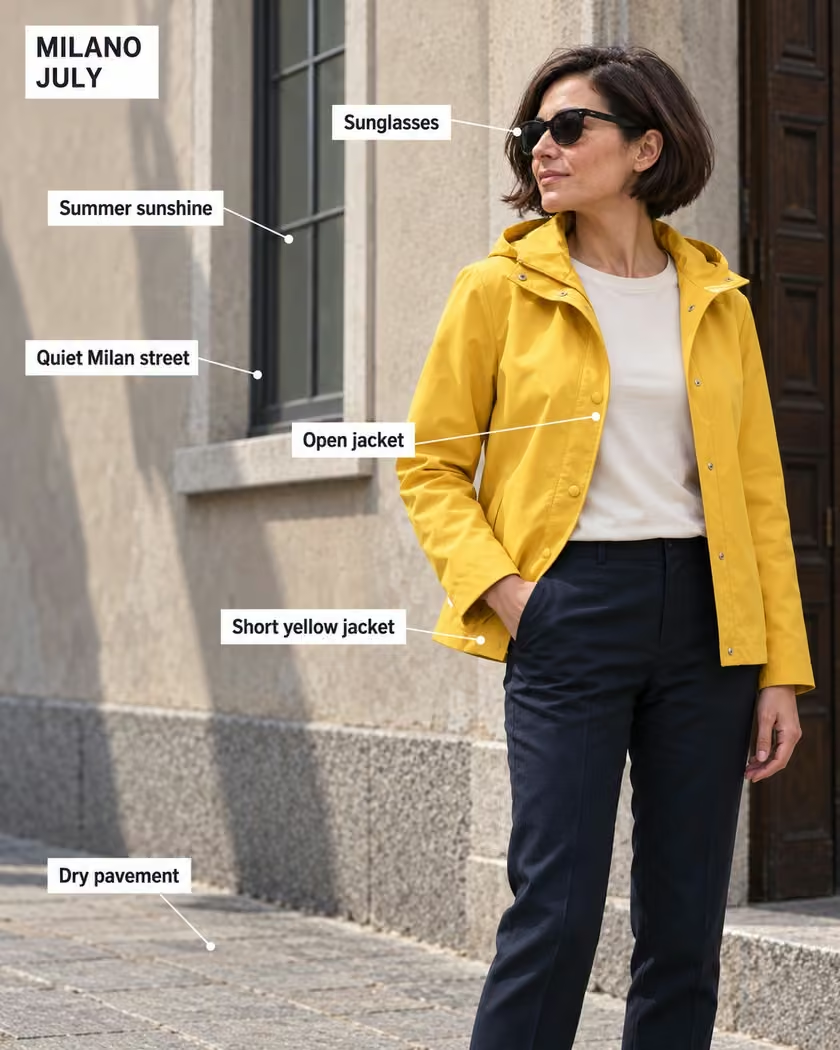
Imagine a customer browsing a jacket on a rainy afternoon. A scene that reflects those conditions can make its practical value easier to understand. In warmer weather, lighter styling and an open jacket tell a different story.
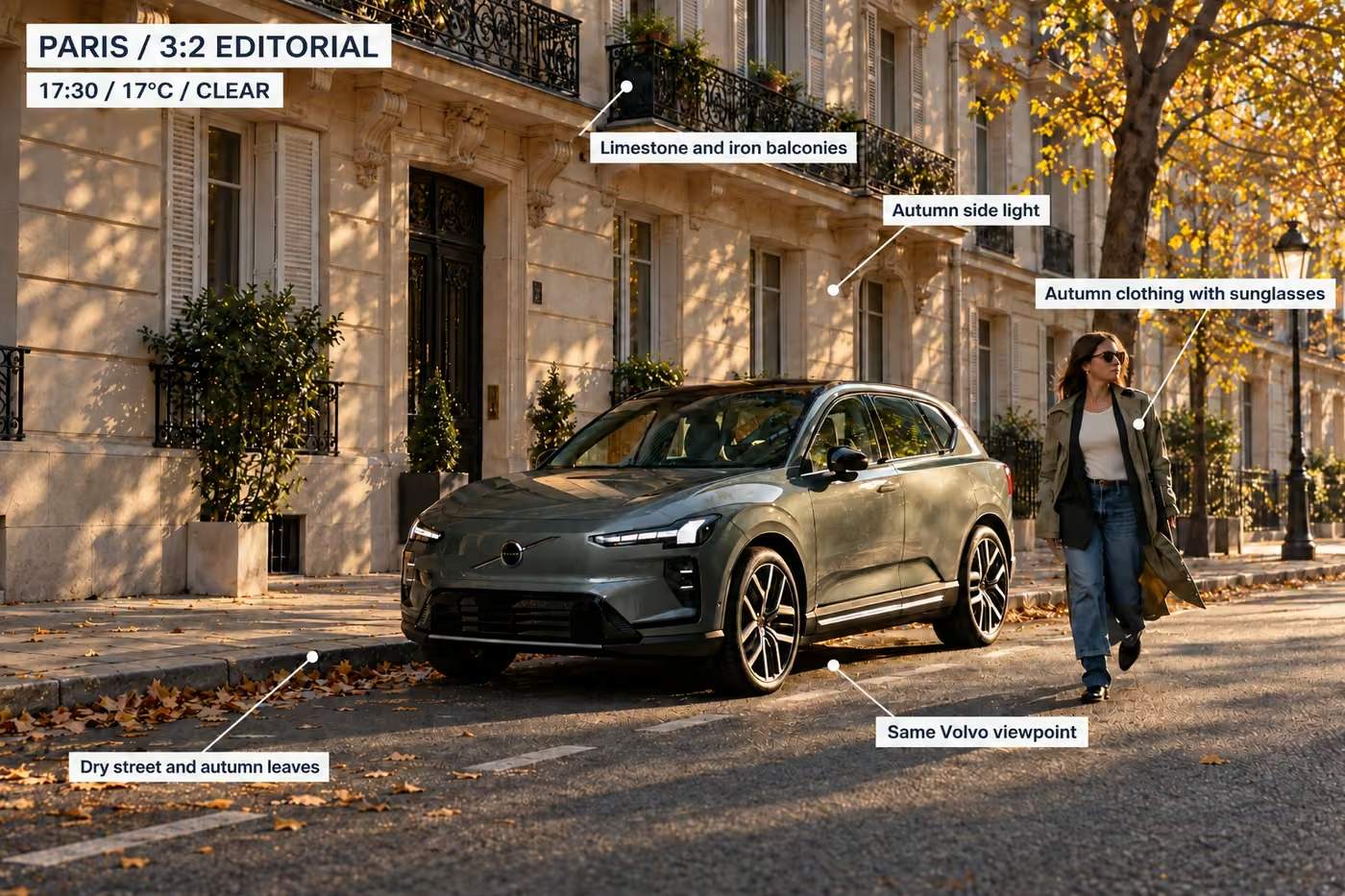
A Paris visitor might see a vehicle in autumn light against limestone architecture. Another market calls for a different setting. The product remains accurate, the brand stays recognisable and the surrounding story becomes more useful.
Location, weather, time, season, language, page context, screen format and local stock can inform the image. Each signal should earn its place by adding value for the visitor.
From an image library to a responsive visual system.
Smart Images by Scenes Lab is a concept for selecting, adapting or creating brand imagery for the context in which it is viewed. Approved product assets, a brand-specific creative playbook, relevant data and controlled publication work together.
It does not need to generate a unique image for every visitor. A qualifying live version should be reused while it remains relevant. When a meaningful need is unmet, a new candidate can be prepared and checked. An approved alternative remains available while that happens.
How a Smart Image is created.
Understand the context.
Read appropriate, permitted signals such as market, local conditions, page placement, screen format and product availability. The system does not need to identify the visitor personally.
Define the visual opportunity.
Compare the context with the brand’s rules and decide which changes would help the visitor. Establish the environment, composition and format.
Select or generate.
Check whether a suitable live version already exists. If it does not, prepare a candidate from approved product references while a qualifying alternative stays on screen.
Apply the creative playbook.
Control product proportions, materials, colour, camera character, light, styling and composition. The context can vary; the product and identity must remain consistent.
Evaluate quality and brand meaning.
Review product fidelity, photographic quality, brand fit and delivery. Predictive attention analysis can support that assessment. Human review remains part of initial releases.
Deliver, learn and improve.
Deliver the qualifying image with accurate descriptive information and applicable AI disclosures. Compare results with a baseline, then keep, improve or retire the version as needs change.
Smart Image - behind the scenes.
Context
✓
Location
Paris, FR
✓
Local time / season
09:41 CET / autumn
✓
Weather
Overcast / 12°C
✓
Language
fr-FR
✓
Device / screen
Mobile / 390 × 844
✓
Stock / delivery
In stock / FR delivery
Brand rules
✓
Brand identity
Approved framework
✓
Camera / framing
35 mm / off-centre
✓
Product reference
Shape / colour locked
✓
Prompt / no-go rules
Master rules loaded
Generation
✓
Image brief
Compile image brief
✓
Generate image
Compose / generate
Checks
✓
Product / brand checks
Fidelity / compliance
✓
GEO brand pillars
Brand meaning aligned
Delivery
✓
Format / file size
Size / format / weight
✓
Metadata / AI label
Alt text / AI label
Time remaining
2,500ms
Illustrative sequence
“Smart Images must be generated and delivered faster than traditional web images, making the experience more relevant without making the visitor wait.”
Michael Rying Founder, Scenes
Build the brand’s visual intelligence.
A powerful model alone cannot understand a brand. Scenes Lab and the client build the foundation together, combining our experience in visual AI production and entire visual identities with the team’s knowledge of its products and customers.
We begin with brand DNA: identity, positioning, campaigns, photographic references and the less easily documented qualities that make the brand recognisable. The creative playbook translates that judgement into clear rules, from lenses, framing and depth of field to lighting, colour, architecture, casting and styling. Best-practice examples establish the standard. A no-go list defines the boundaries.
Approved photography, cut-outs or validated 3D assets establish product truth. Geometry, materials, colour and design details must remain accurate across every format. A different screen can justify a different composition, never a distorted product.
We then connect the website, catalogue and stock data, contextual sources, generation, quality checks, image reuse, fallbacks, metadata and monitoring. Representative markets, formats and failure cases are tested with the brand’s creative team before publishing permissions expand.
A beautiful image can still tell the wrong brand story.
Visual identity communicates more than a photographic treatment. It expresses what the brand stands for and what it should be known for.
Our proposed GEO Brand Pillar Check asks whether an image supports the brand’s strategic pillars, whether its setting and associations fit the story, and whether the image and descriptive data communicate the same product truth. This is a brand-governance check. Visibility and recommendations in AI search remain separate outcomes to measure.
The creative role becomes more valuable.
Art directors and marketing teams increasingly direct a visual system, rather than approve every adaptation. They define the visual world, evaluate its quality and refine its boundaries. The opportunity is more energy for ideas, direction and brand meaning, with less repeated production.
For the visitor, the intended benefit is immediate relevance. For the brand, it is consistency across changing contexts without having to pre-produce every variation. A useful image stays live while it is the best relevant choice, then is replaced or retired.
Autonomy has to earn trust.
Eventually, a brand may publish images its team has never personally seen and may never see. That requires precise boundaries, reliable checks, monitoring and an approved fallback. The pilot must validate photographic quality, product accuracy, delivery speed, rights, cost and visitor outcomes before unattended publication is considered.
A Neurons score above 8/10 is a proposed threshold for selected hero uses, not proof of effectiveness or an approval already achieved by these examples. Fast generation alone is not enough: the final composition, file delivery, metadata and AI disclosures must work together.
A 20-minute walkthrough of what this technology could mean for your visual communication.
Michael RyingFounder, Scenes
Join Michael Rying from Scenes Lab for a live demonstration of Smart Images. See the technology in action and explore how images that adapt to the visitor’s context and screen could work for your brand.
What you’ll see and learn
Watch images adapt to different contexts and screen formats.
Learn how brand guidelines and creative direction shape the results.
Explore what the technology could mean for your visual communication and ask your questions.
Request your live demo
Leave your details and we’ll email you to arrange your 20-minute walkthrough.
Cookies at SCENES
We use essential cookies from Cloudflare to keep this website secure. We use Plausible for visitor statistics without analytics cookies. We do not use advertising cookies. See Cookie details for how we handle contact form enquiries.