A 2027 campaign brief might still ask for one hero image, a film and a folder of crops. Before signing it off, I’d ask which of those images actually need to exist on launch day. Which would be more useful if they were created when someone needed them? And what must stay recognisably ours in every version?
Scenes’ expectation for 2027 is that these possibilities will begin changing the way brands plan their communication. Here are five shifts we believe deserve a place in that discussion.
1. Your next campaign image may not exist until you arrive
The creative team can decide what makes an image right for the brand before it knows what will make it relevant to the person looking at it.
 AI-generated
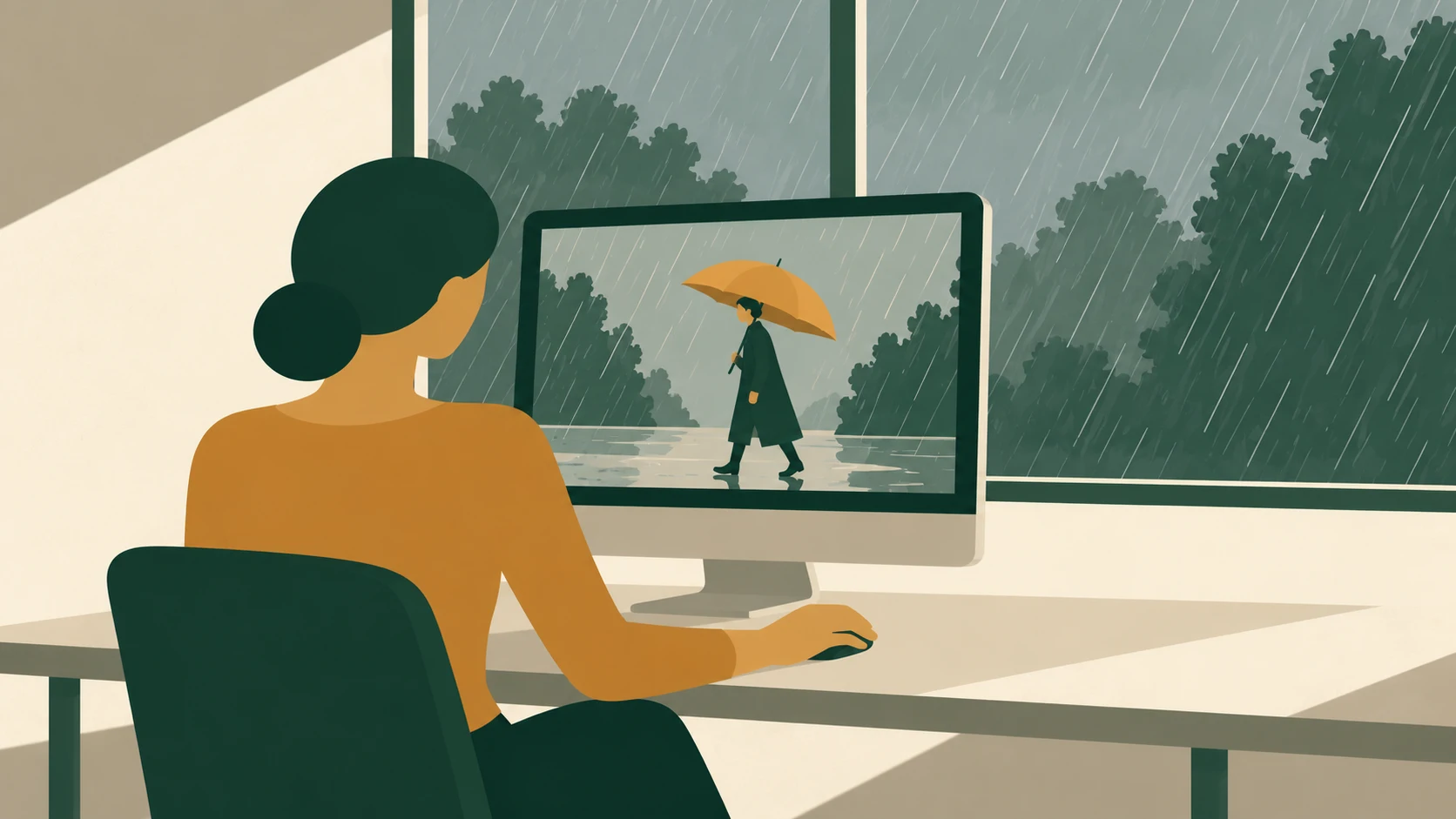
It is raining outside. A woman opens her laptop and sees someone walking under the umbrella she is considering buying. She can see how much of the coat it covers and how the handle sits in a gloved hand. The weather gives the image a reason to exist. The product detail gives her a reason to look.
The brand could approve the umbrella, the styling, the light and the way the product must be shown. What it can leave open is the scene. A visitor on a phone might need a closer composition than someone at a large screen. The creative brief now has two jobs: define what may change and be precise about what must stay true, right down to the shape of the handle.
You can explore this distinction in the Scenes Lab Smart Images beta, where you choose the context yourself. The ambition for a live campaign is for the system to make those choices autonomously during the visit. That only becomes useful when an accurate, approved-quality image can reach the visitor in time. If it cannot, a good existing photograph is still the better answer.
2. Everything moves. Stillness becomes a choice.
Start a digital brief by asking what movement can reveal. Then choose the moments that deserve to stand still.
For much of advertising’s history a still was the practical starting point: the same photograph could work in a catalogue, a magazine or a shop window. We took that habit with us when those surfaces became screens. A film was often an extra deliverable, added after the hero photograph had been agreed.
Reverse the order for a coat campaign. A model turns into the wind. For a second, you can see how the fabric holds its shape and how much room the cut leaves across the shoulders. That movement earns its place. For the fastening, a still may tell you more: you can stop and study the stitching. Both can come from the same sequence if someone plans the framing and resolution before production.
A motion-first brief needs a sense of timing as much as a palette. How quickly does a product reveal itself? What should the viewer notice in the first frame? Decide that once, and even a still taken from the film can feel like it belongs to the brand.
3. Next Christmas’s campaign may already be in your archive
Last year’s campaign can give you a set to revisit, as well as a photograph to reuse.

Picture the room you built last Christmas. The light through the window, the chair beside the tree and the space around the table still feel right. This year, put the new collection on that table, bring the camera closer and let the familiar room tell the next part of the story.
Moving a virtual camera introduces a very real question: what does the back of that chair look like? A single photograph cannot tell you. If the system invents the joinery, you may end up advertising a chair that the brand has never made. Keep the extra views, product references and lighting decisions alongside the final campaign. They may be what makes next year’s picture possible.
4. Your next brand icon may never have been born
A brand can invent a face that appears anywhere. The harder part is inventing someone an audience wants to see again.
 AI-generated
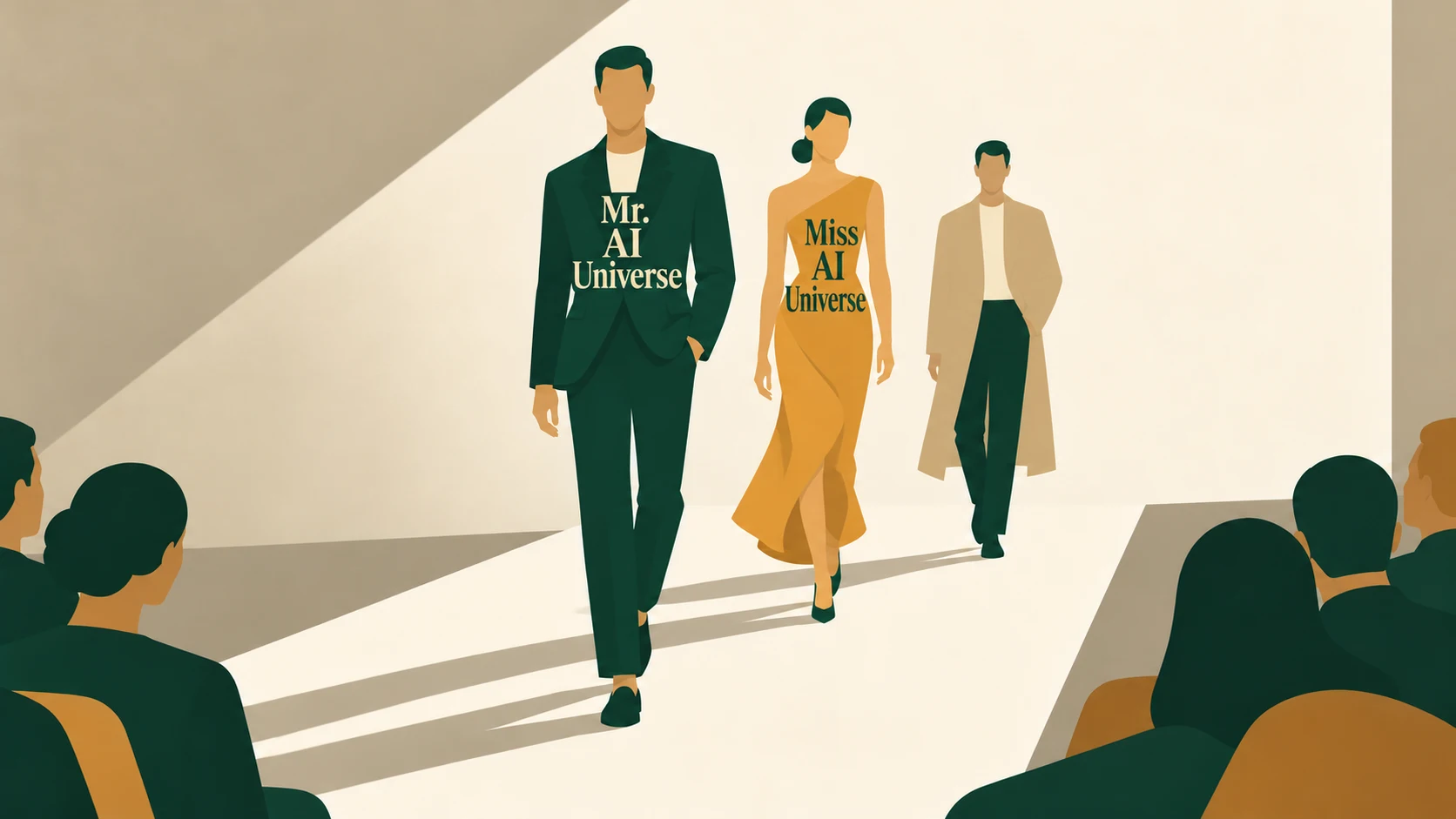
Captain Morgan and George Clooney for Nespresso illustrate two different choices. A brand can spend years building a character of its own, or it can borrow recognition and associations that a real person earned elsewhere. Generating an attractive face gives you neither of those advantages on day one.
Before commissioning an AI ambassador, try writing a scene without mentioning what the character looks like. How would they introduce a new product? What would they find funny? What would they refuse to say, even if it made a convenient sales line? If the answers could belong to any brand in the category, the next job is writing, not casting.
With a strong enough character, the same figure could host a demonstration, appear in a campaign and carry a story from one market to the next. Consistency of appearance makes that practical. Consistency of character makes it worth doing.
5. Reality is becoming a creative limitation
As realism gets easier to achieve, a visual world that people recognise as yours may become more valuable.
 AI-modified
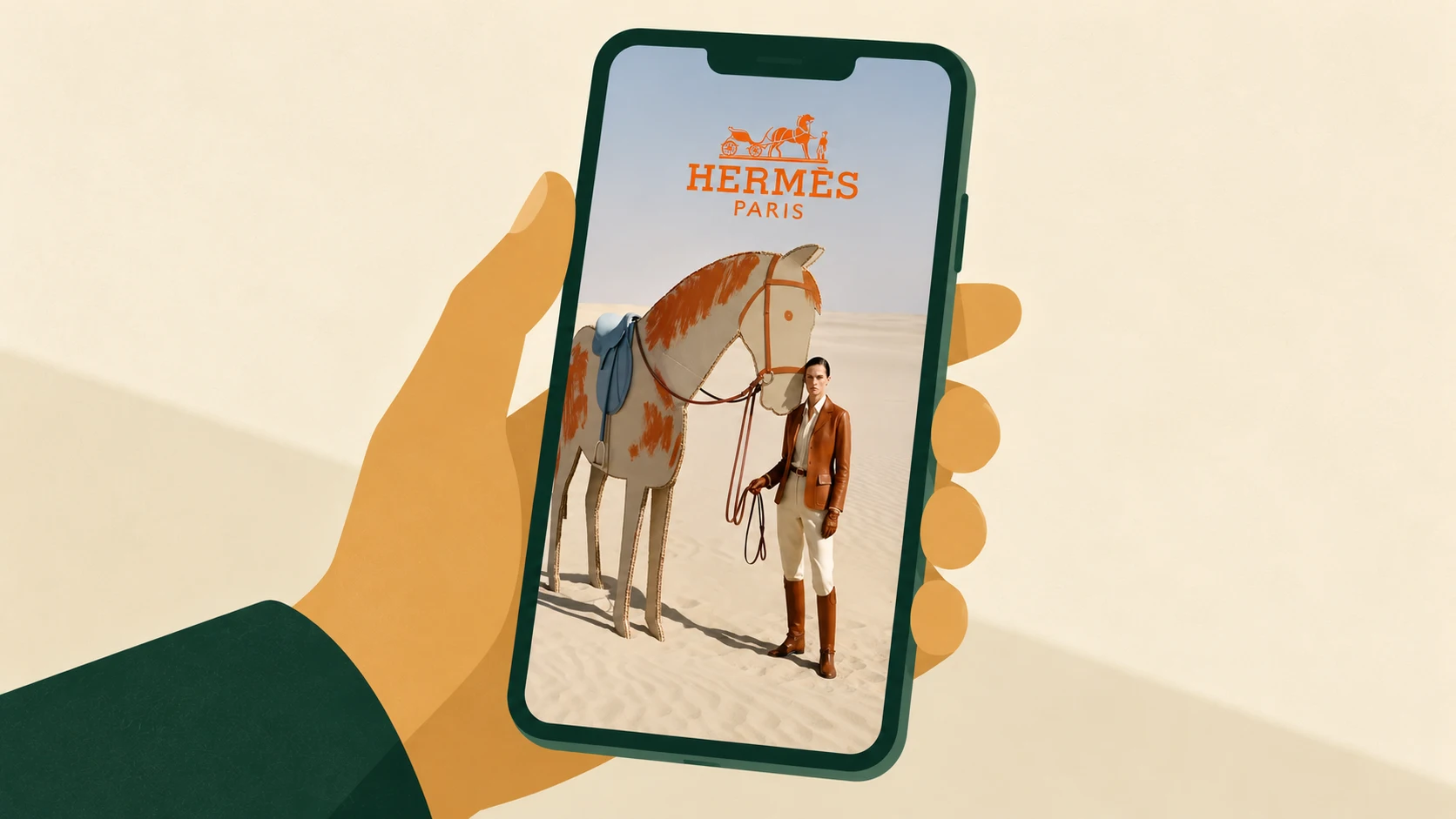
Look at the Hermès visual on the phone. The woman and the giant illustrated horse occupy the same scene. They don’t need to look as if they were photographed together. The difference in scale and the meeting of photography and drawing are precisely what make you stop.
There is a useful distinction here for anyone briefing a campaign. A customer buying a silk scarf needs to see its colour, print and drape accurately. The landscape around it is free to fold like silk. Push the idea there, where imagination adds something to the product rather than making the product harder to understand.
When almost any style is available, choosing one unusual image is easy. The more interesting challenge is to invent a visual idea your brand can return to, and that people will still recognise the second or third time they see it. We see an “anti-AI look” emerging as brands move beyond copying reality and use AI to invent a visual language of their own, right down to a horse made of cardboard.
Master the art of asking great questions
 AI-generated
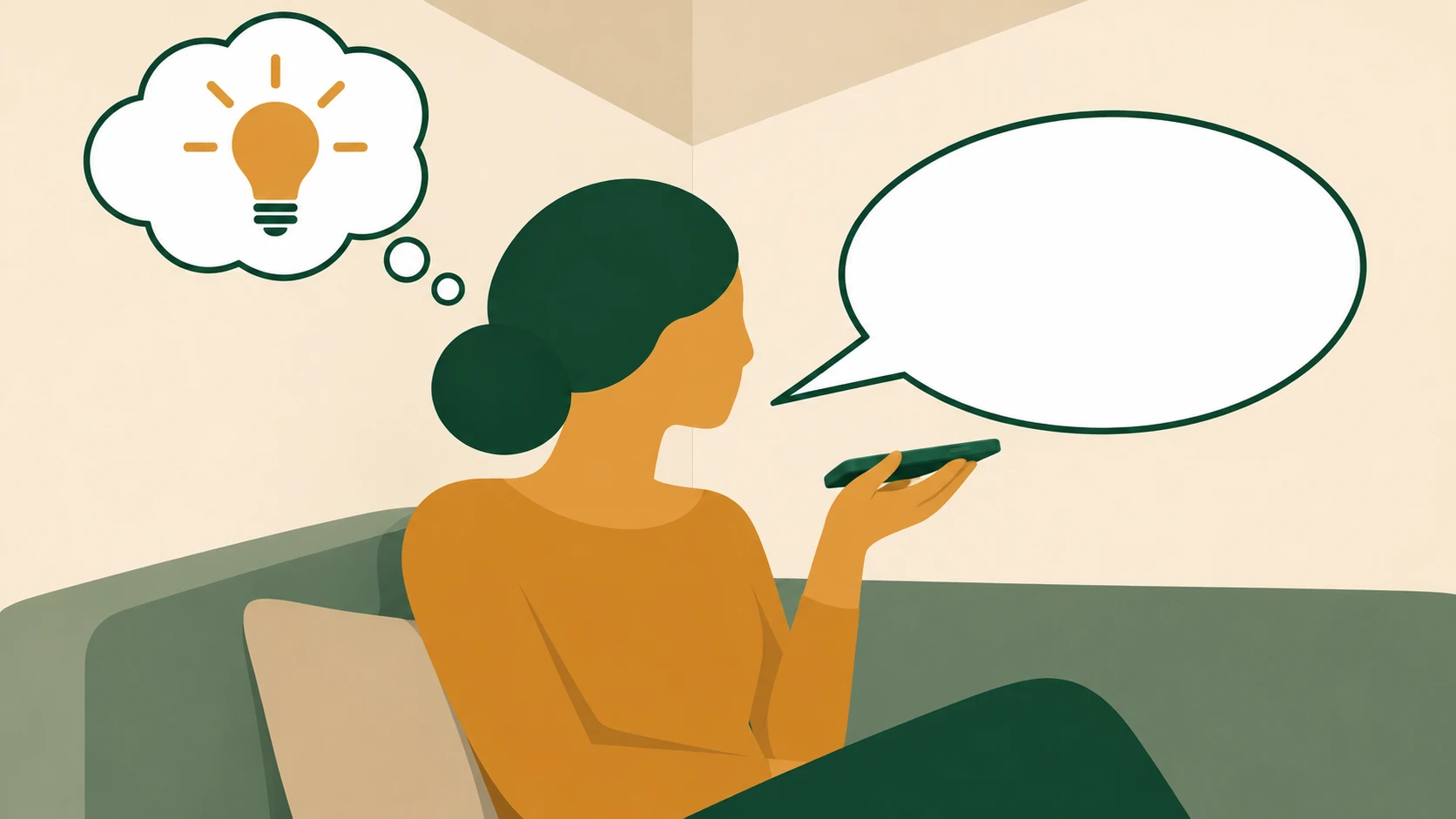
Asking AI for “a beautiful image of a lamp” sounds clear until you consider how much of the idea is still in your head. Perhaps what you’re picturing is a couple lingering at the dinner table long after the plates have been cleared. That gives you a much better question to ask AI.
“How could we light and frame this scene so you feel that the warm glow from the lamp is what’s keeping them at the table?”
That’s a creative skill I think we’ll all need to master. It takes practice to recognise exactly what you have in mind and put it into words. The more precisely you can ask the question, the closer AI can get to the idea you saw in the first place.
Research behind the outlook
These sources document what researchers and brands have already demonstrated. The five predictions for 2027 are Scenes’ interpretation.
- Real-time generation: NVIDIA Research, SANA-Sprint reports 1024 × 1024 text-to-image generation in 0.1 seconds on an H100 and 0.31 seconds on an RTX 4090. These are model-generation measurements, not timings for an entire personalised customer experience. Adobe's Project Page Turner separately demonstrates an experimental approach to adapting web pages to visitor intent using existing brand content.
- Motion at scale: Zalando, How Zalando tells better stories, May 2026 describes generating 170,000 videos from product photography and showing video first where available. It also clarifies that its 90% AI-content figure concerns on-site marketing content, excluding product-detail imagery and external advertising.
- Reusable visual environments: World Labs, Marble documents generating and editing 3D worlds from images and other inputs, while explaining that unseen details must be inferred.
- Digital brand representatives: JD.com, April 2024 documents the commercial introduction of its founder's AI representative. This is a deployment example, rather than evidence that invented characters already match the cultural influence of established celebrities.
- Production moving closer to brands: Zalando's Q2 2026 results report SCAYLE STUDIOS' adoption and production efficiencies. WFA's research on in-house agencies, November 2025 reports that 93% of surveyed leaders planned further AI investment over the following 12–24 months, while noting uneven implementation and inconsistent returns.
Talks, interviews and articles · Discuss what this means for your brand